Entrepreneurial Households 360 Report | April 2026

How The Emerging Indian Middle Handles Money

Ambitiously growing their livelihoods, 250 million Entrepreneurial Households are actively shaping India’s economic future. This is a study on how over 5,200 of them engage with the financial system.

Scroll
Scroll icon

Across India, millions of Entrepreneurial Households are no longer just getting by. They are expanding incomes and shaping a better future. Bank accounts and digital payments are widespread, but real financial inclusion lies in understanding behavior: how households save, borrow, and manage risk. When finance fits their lives, businesses grow, resilience deepens, and India unlocks a key engine of growth.

To understand them better, let’s take a walk through their neighborhood.

Sheela and Ramprasad outside their home

Sheela and Ramprasad have built their dream home by stacking incomes, just like bricks

In 5 years, the family transformed from living in a kuccha house and relying on agriculture to building multiple sources of income and two homes. Profits from a poultry farm, and Sheela's steady income as a local bank agent (Bank Sakhi), enabled them to upgrade their village home and construct a concrete duplex in the city. As a Bank Sakhi, Sheela now helps others navigate the path towards greater financial security.
location-icon
Madhya Pradesh
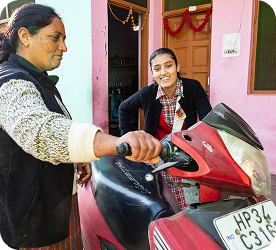
Hemlata at her home

Hemlata is breaking norms to support her family

Rather than being overwhelmed by grief and economic vulnerability when her husband passed away, Hemlata found the courage to rebuild. Supported by her Self-Help Group, she built four income streams to sustain her three children and father-in-law, including a restaurant and selling local products in exhibitions. Contrary to the belief that women should remain confined to the home, Hemlata is creating a resilient future for her family.
location-icon
Himachal Pradesh
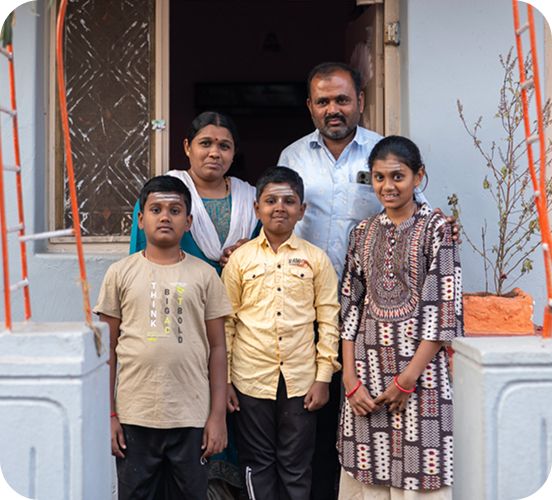
Leelavathi and Kotresh at their home

Leelavathi and Kotresh built a successful business after relocating for their children’s education

Eight years ago, the couple moved from their farming village to a nearby town to provide better schooling for their children. Kotresh drives trucks, while Leelavathi runs a stationery shop. They began small and built steadily, expanding into a photocopy shop. After securing their children’s future, they want to retire in a farmhouse in their village.
location-icon
Karnataka
These are not rare stories. Households like these are in every rural and urban corner of India, across diverse occupations and financial backgrounds. What unites them is ambition, resilience, and a steady determination to grow. We call them Entrepreneurial Households.

We define an Entrepreneurial Household as one with multiple income sources and a pucca house; where basic needs are met and focus shifts from getting by to moving ahead. Ambitious and growth oriented, they invest in quality services—particularly education, healthcare, and business—and generate high transaction values.
They represent a US$ 100 trillion opportunity, and are the fuel for India’s next growth journey.
They constitute 80% of households in India, marking a large economic ‘middle.’
80%
Neatly stacked between poor and affluent households, these 250 million families are not struggling for sustenance, but dreaming of more. Let’s unpack this ‘middle’.

The Households in the Middle

Illustration of a small neighborhood general store with a pink exterior and a yellow signboard in Bengali reading “Rima General Store.” The shop has a front counter displaying jars, bowls, and household items, with colorful snack packets hanging on the side. A door and window with metal grills are on the left, and a “Welcome” mat is placed at the entrance.

Accounting for 80% of India’s households, Entrepreneurial Households are not an abstract category—they consistently emerge across national datasets. Since reliable income data is limited, we have used proxies such as asset ownership and consumption to identify this middle.

To understand asset ownership patterns, we analyzed data from the National Family Health Survey.

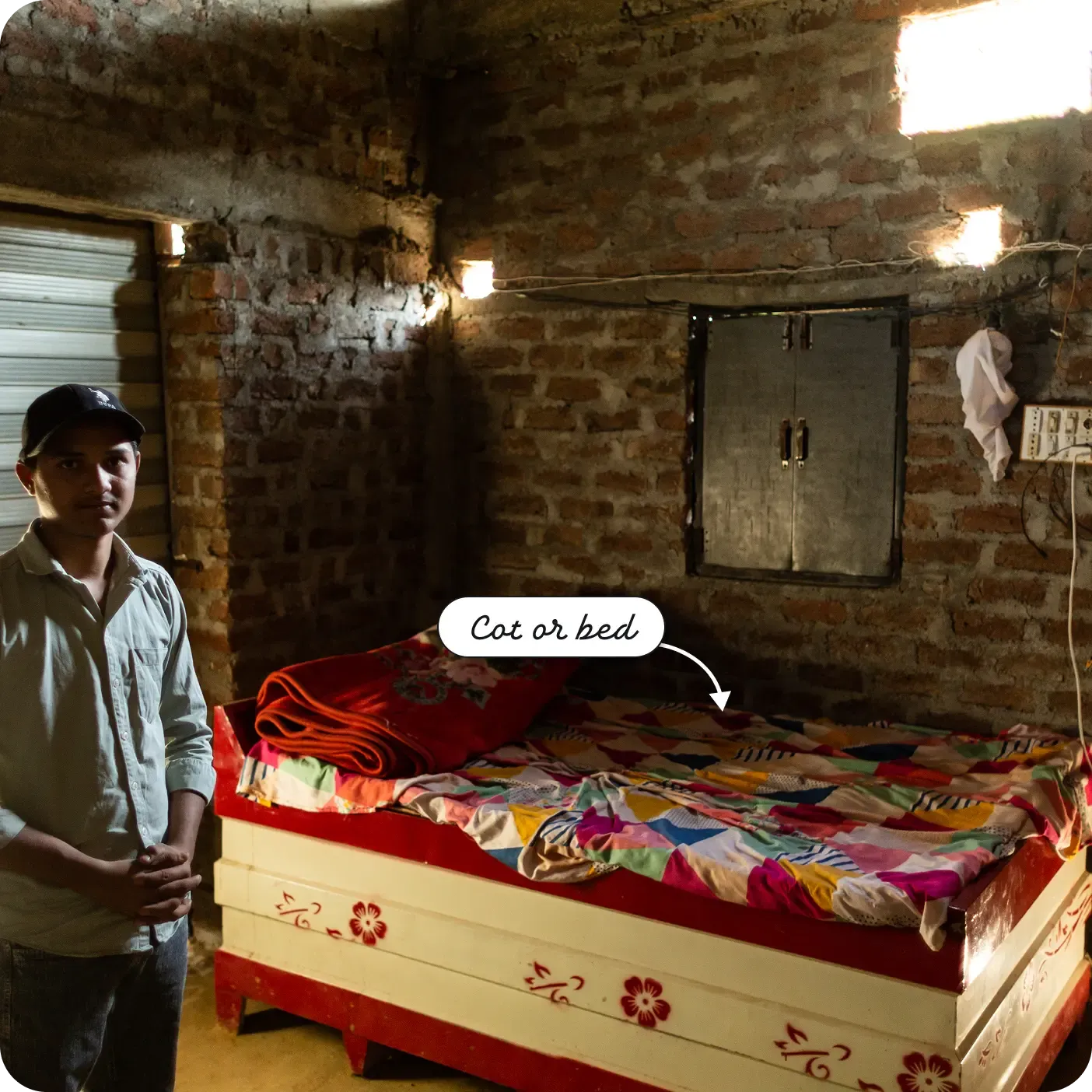
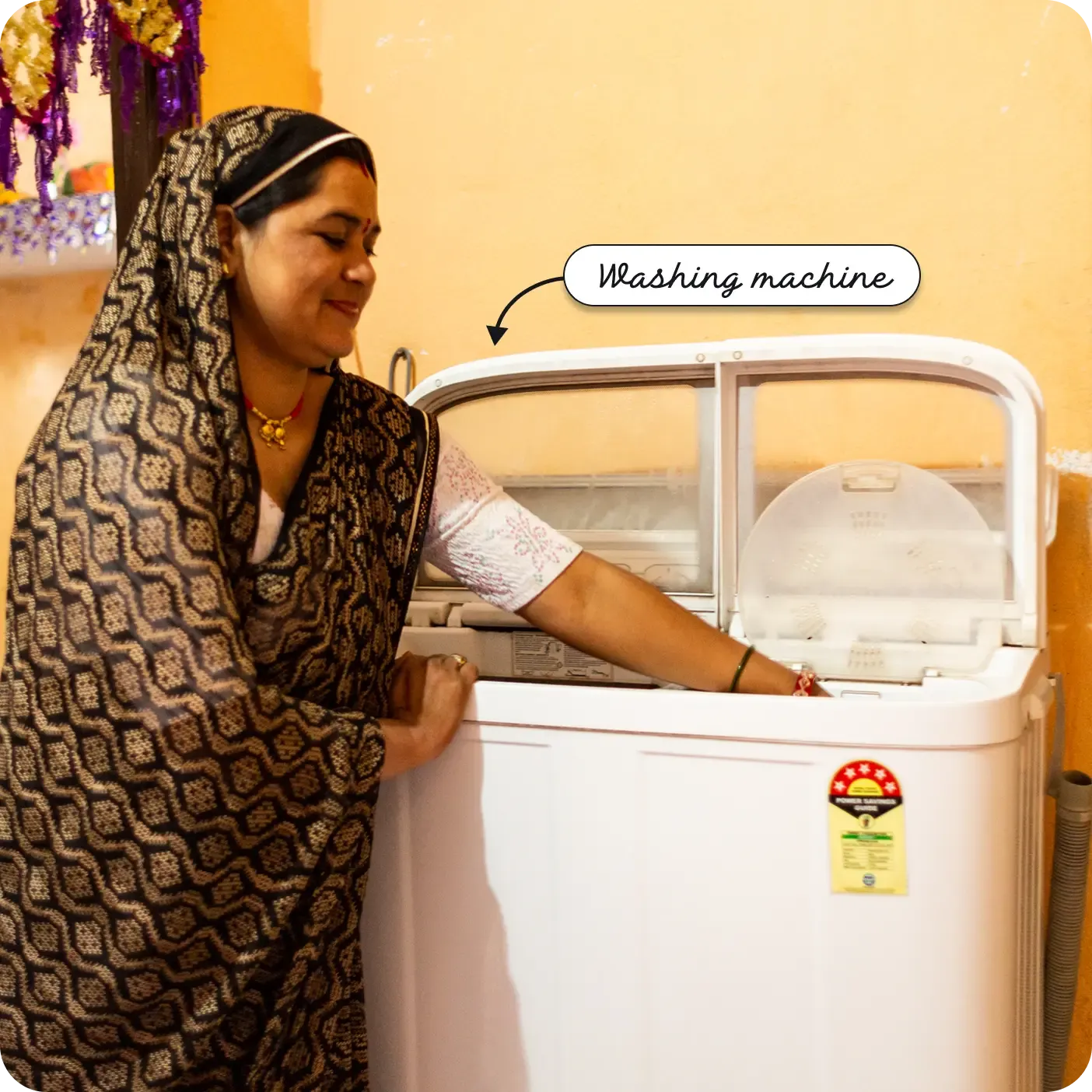
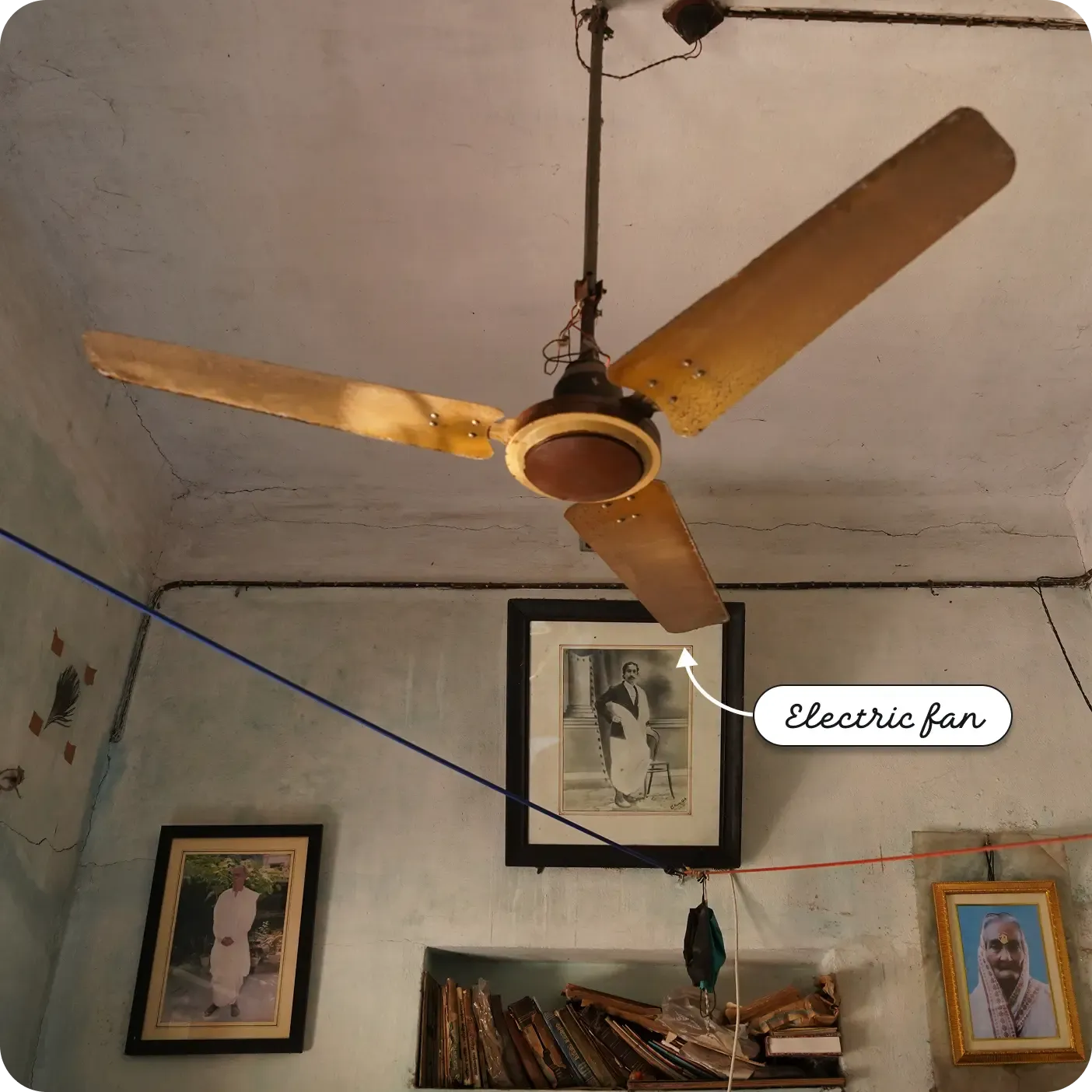
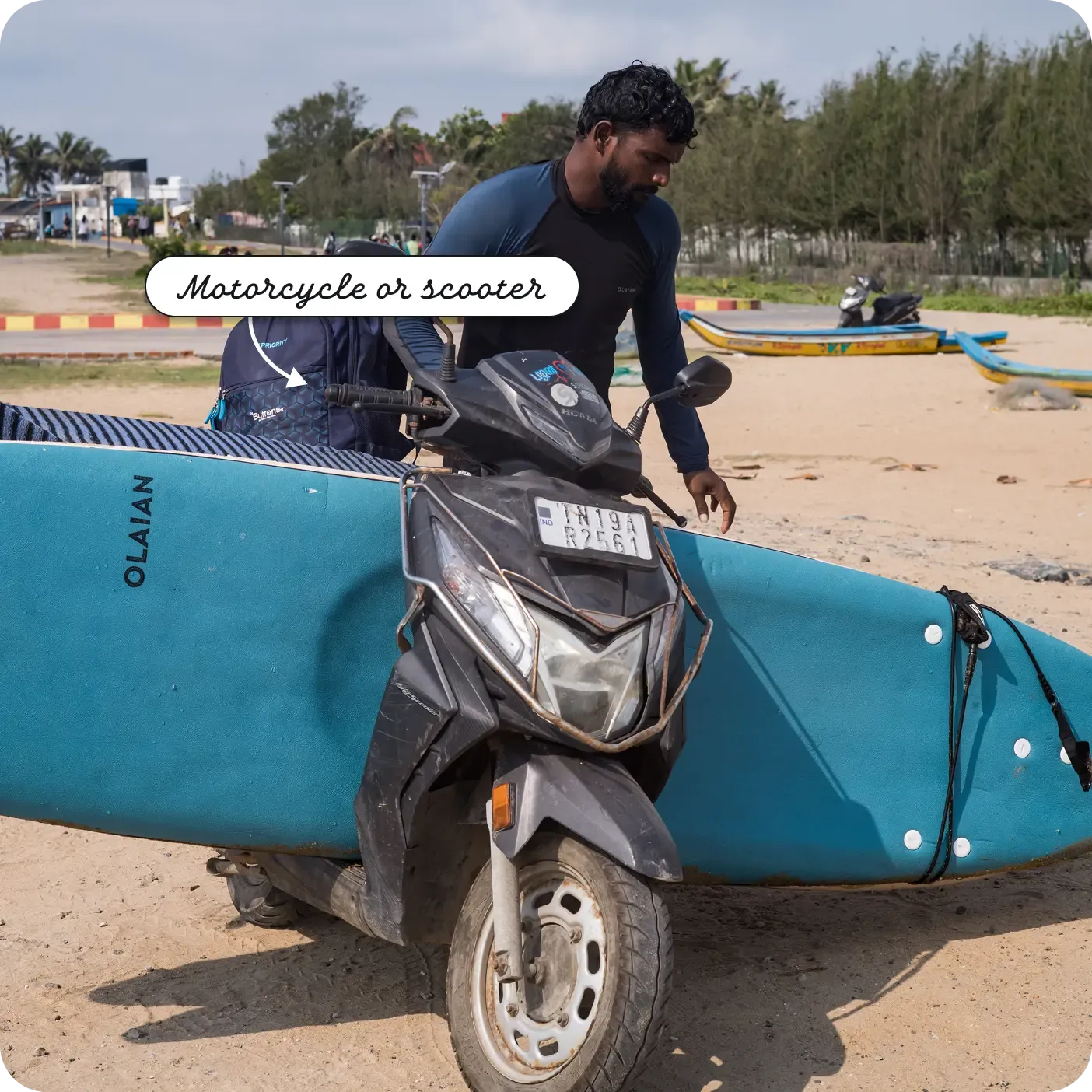
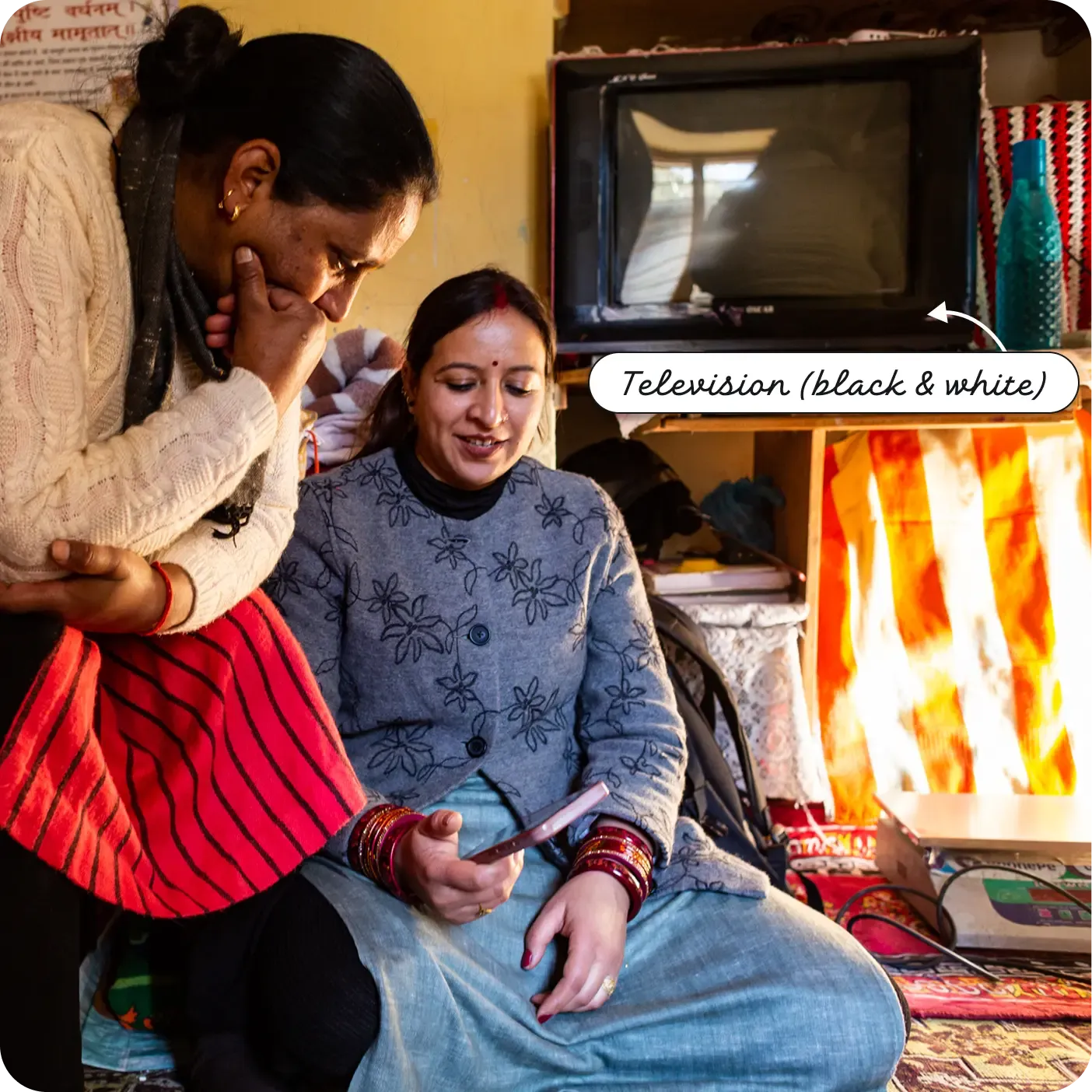
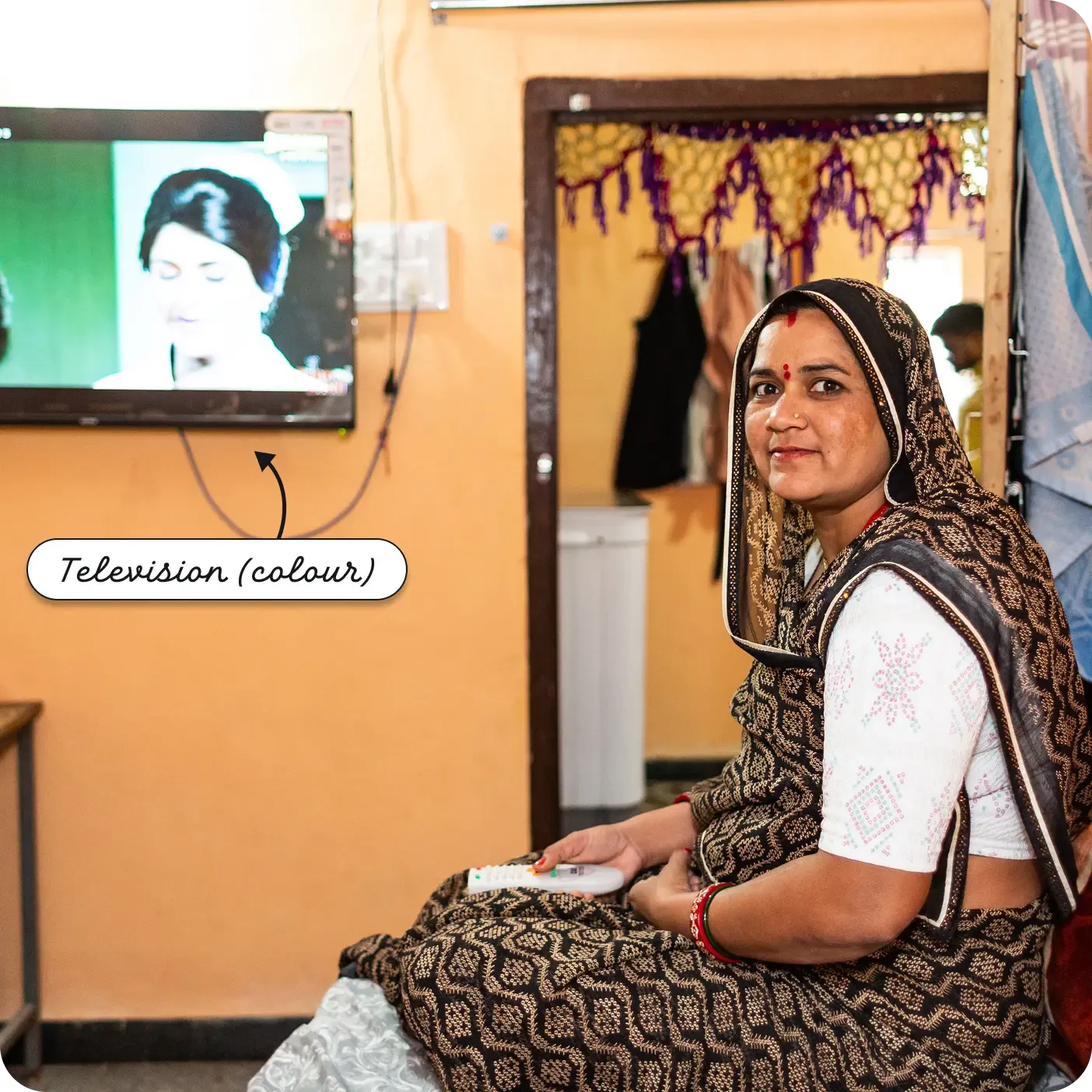
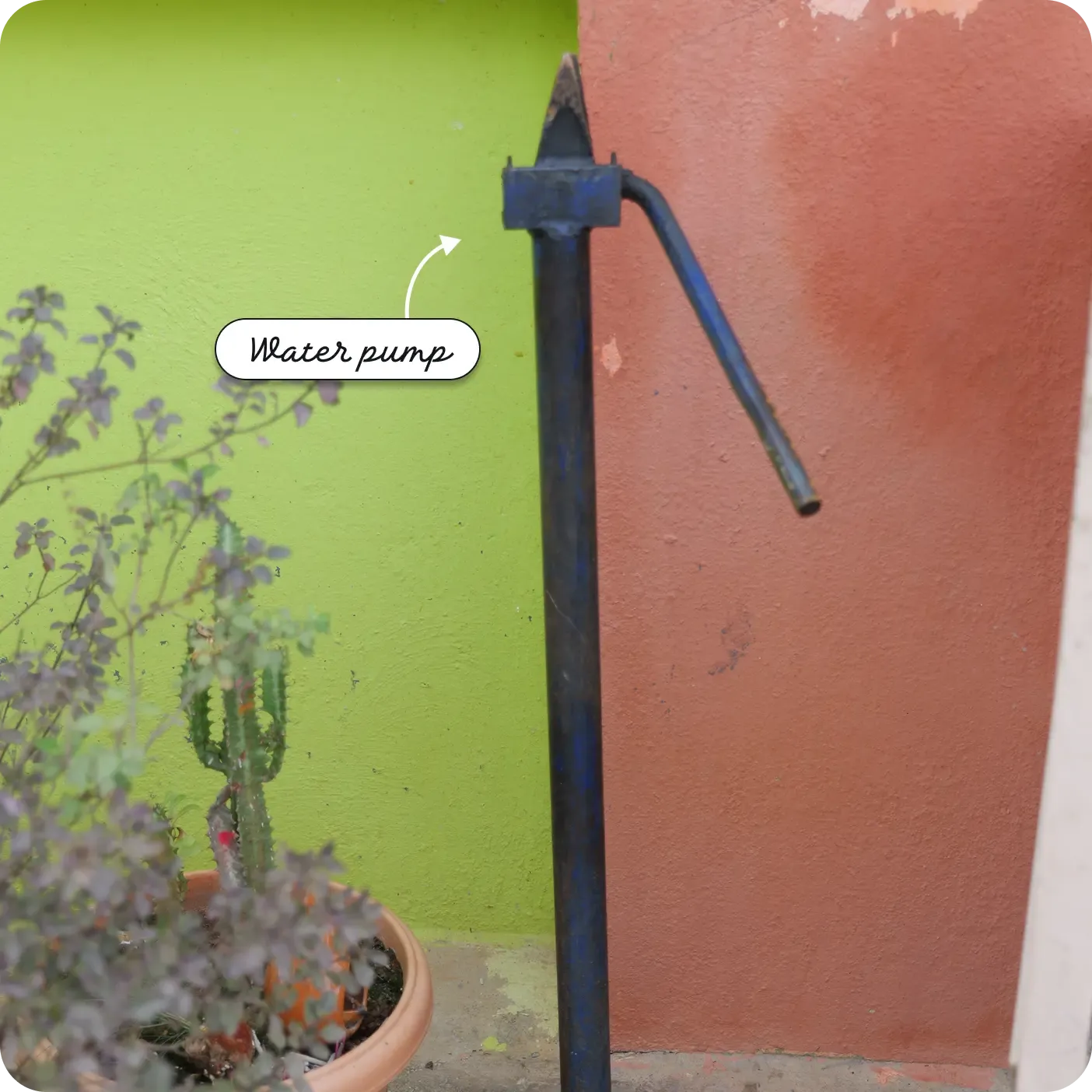
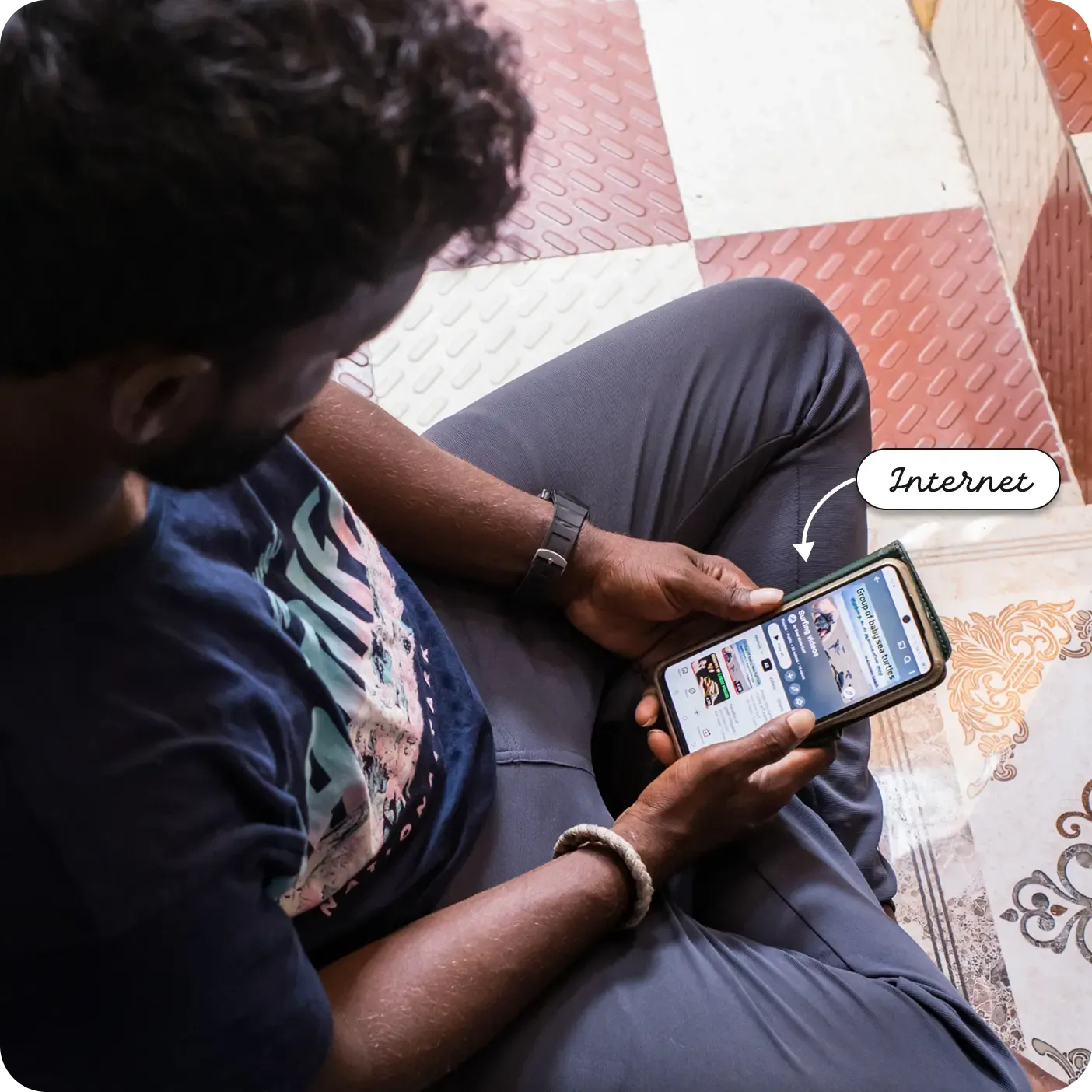
We looked at what percentage of Indian households own these 19 assets

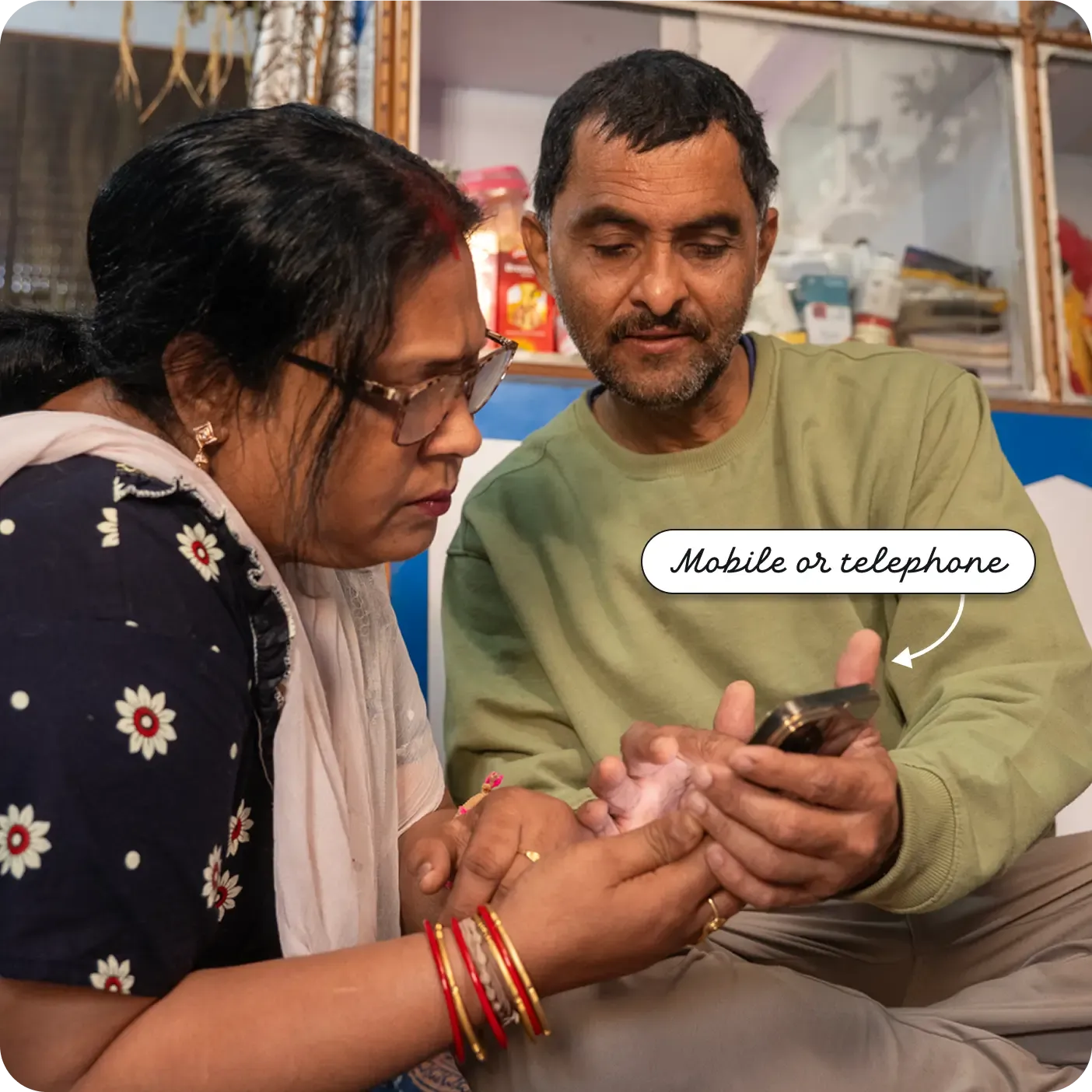
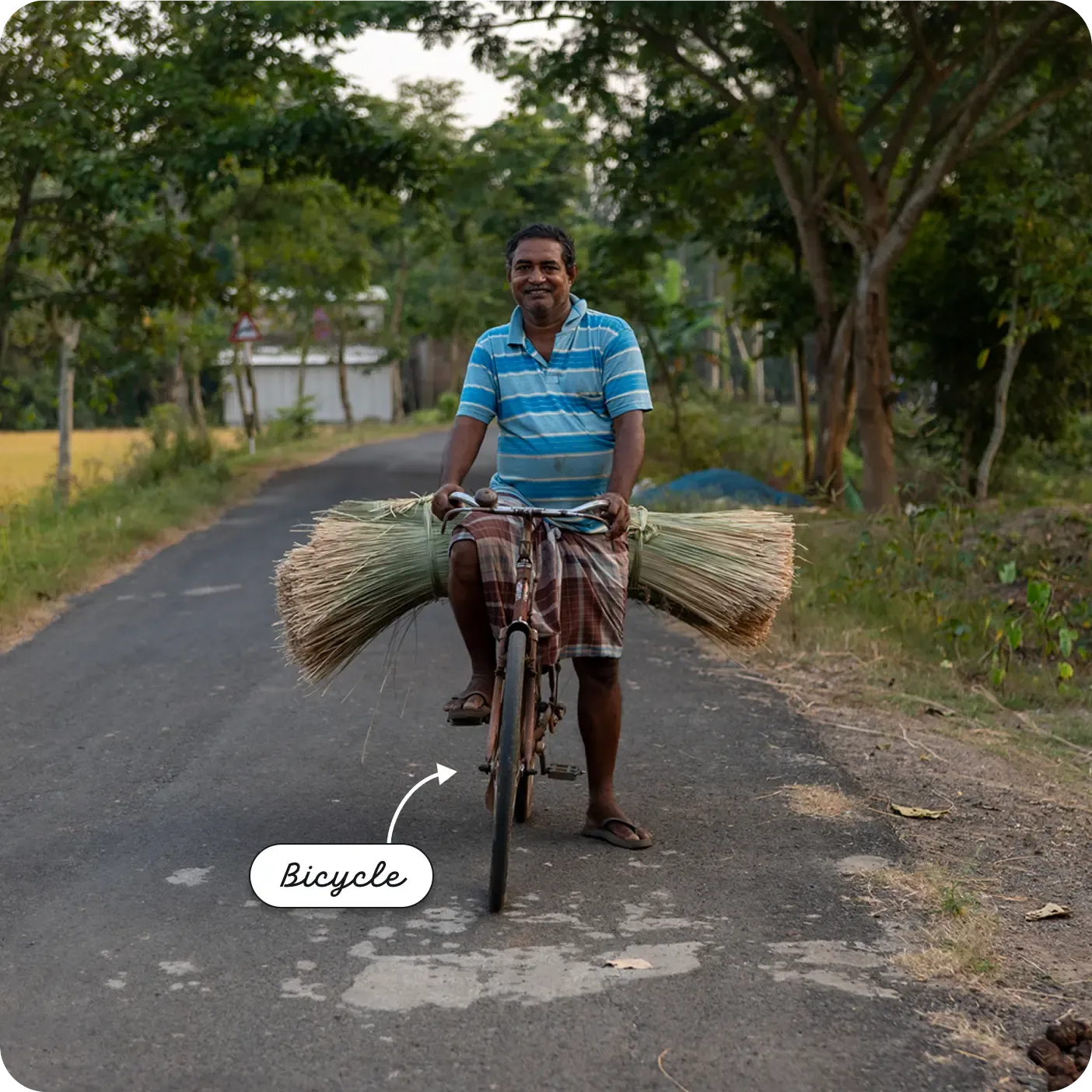
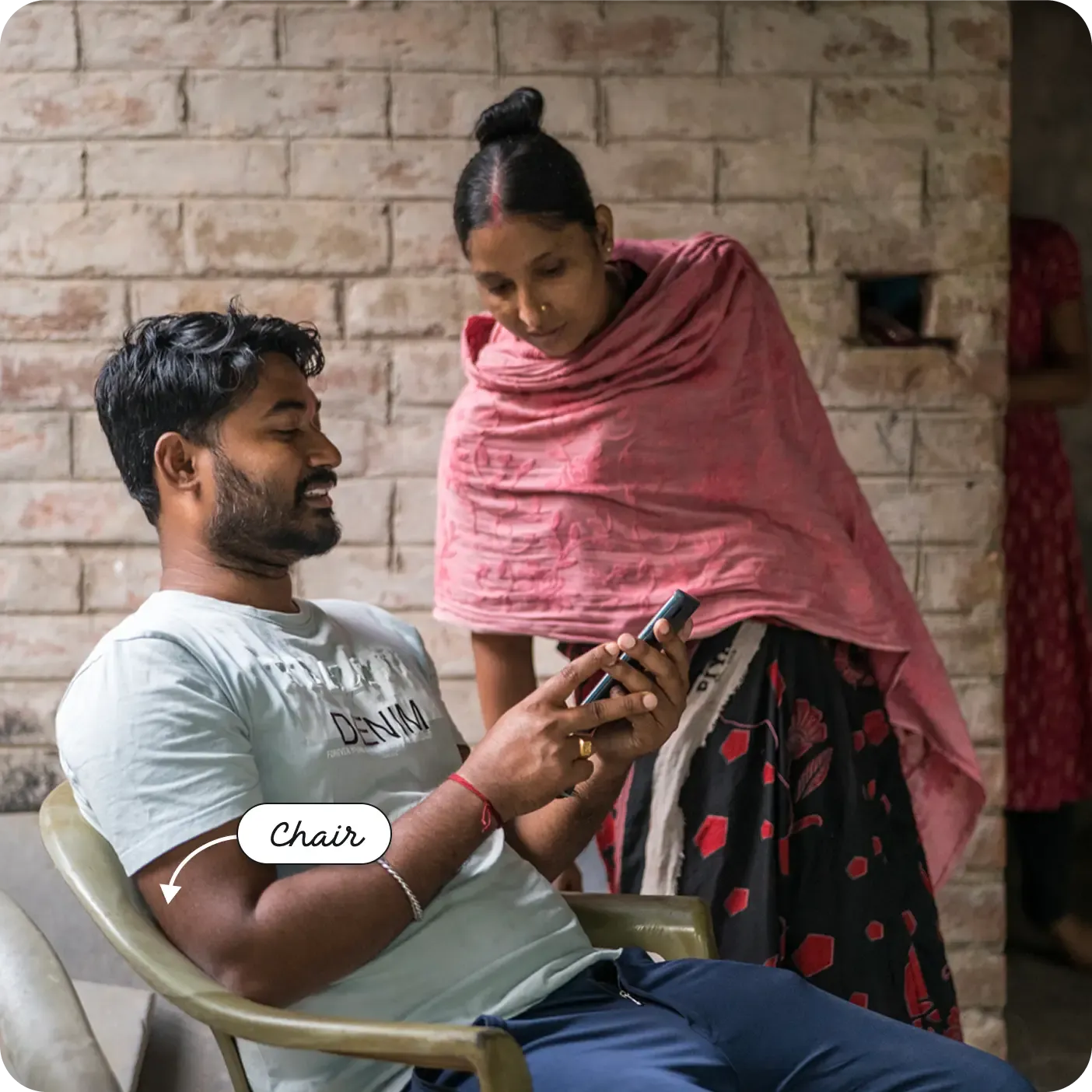
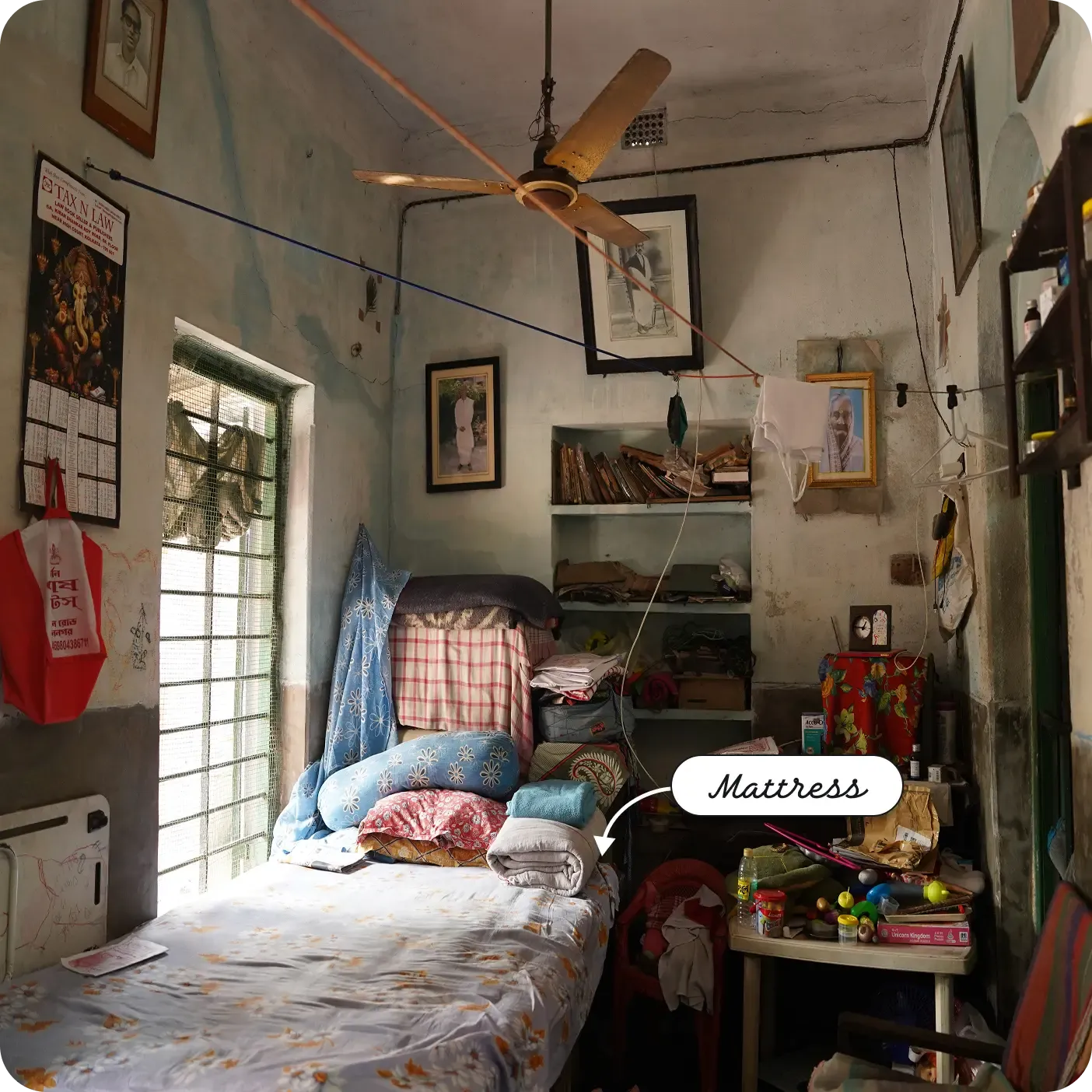
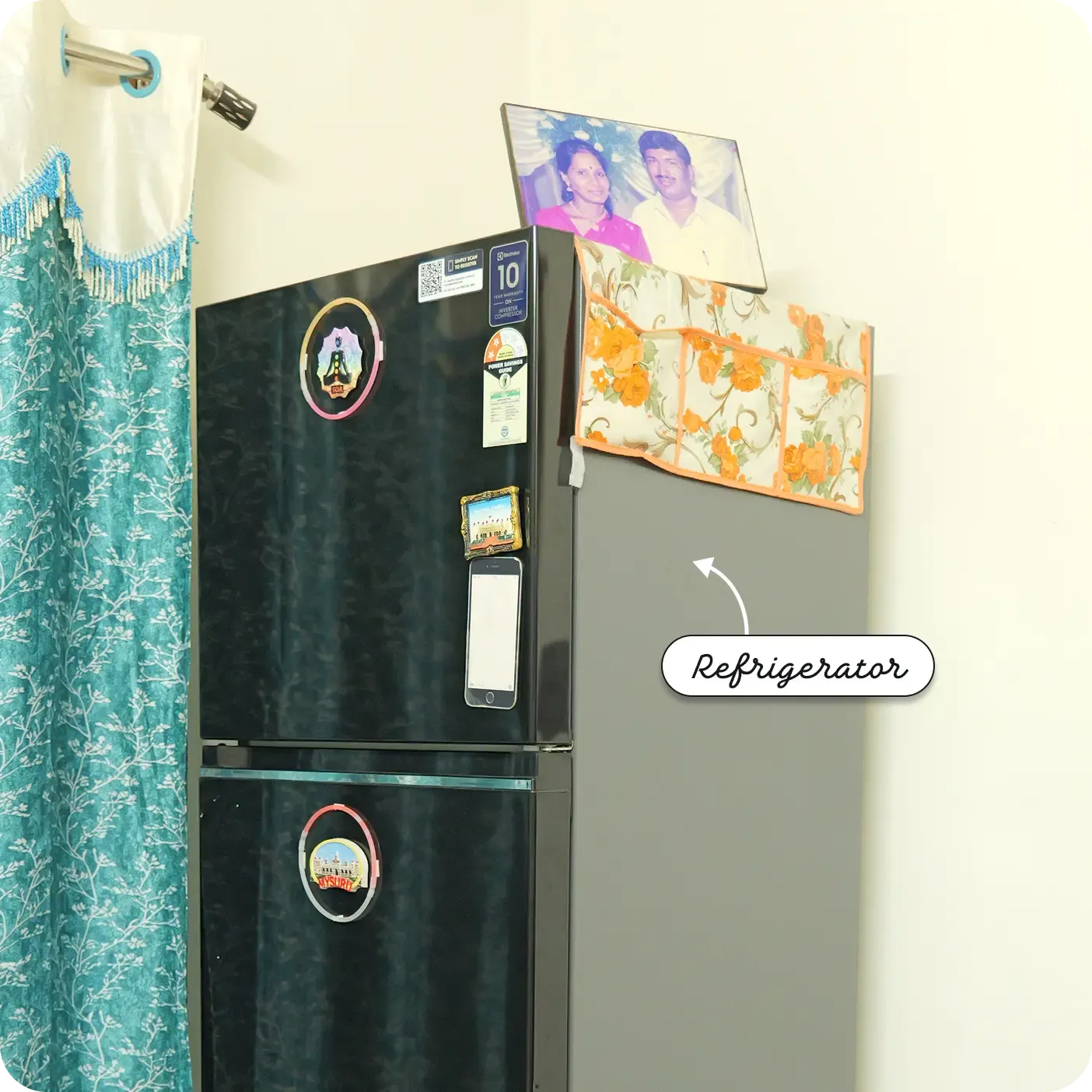
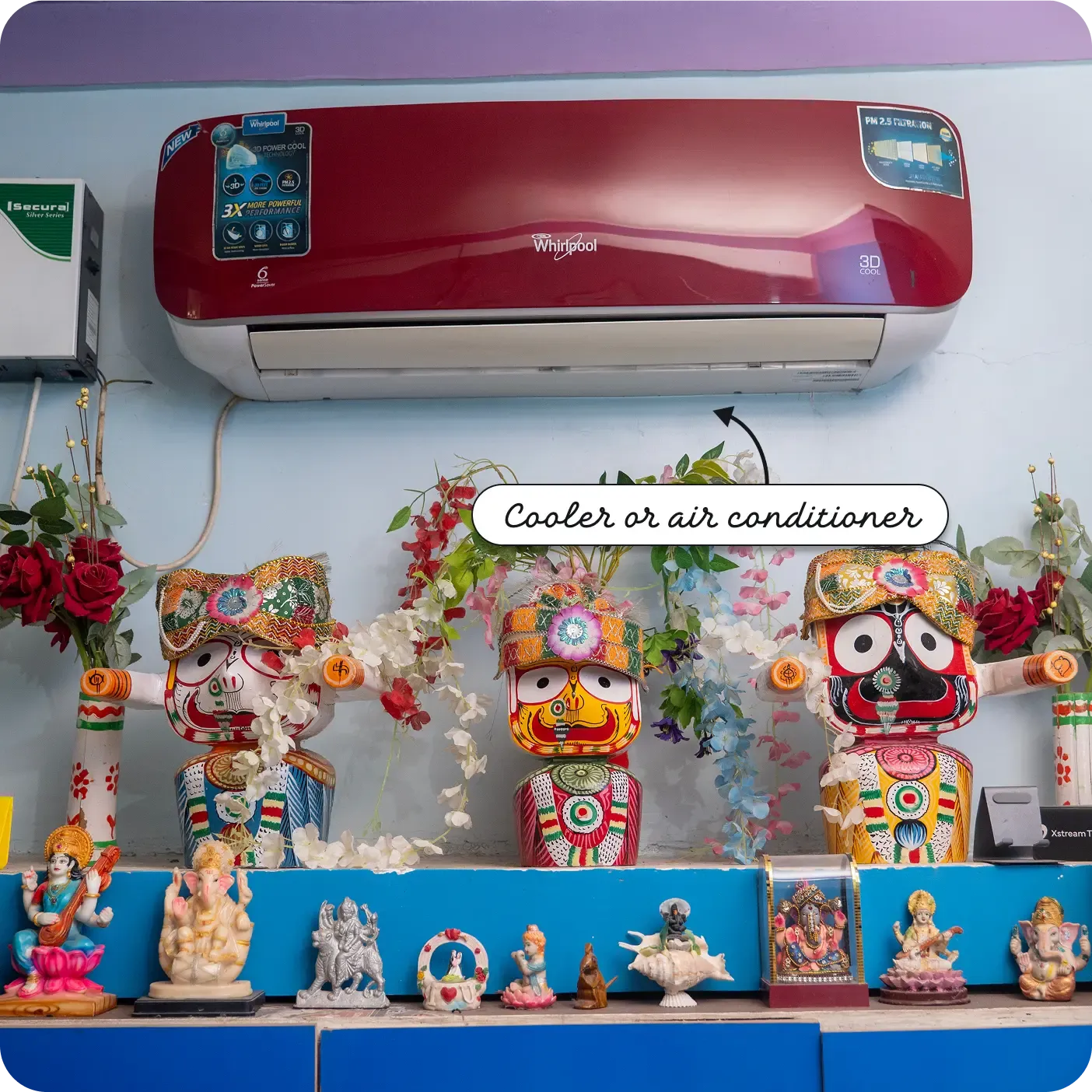
Over 70% households owned between 5 and 15 assets, a clear indication of this majority middle. These are households that have moved beyond basic necessities like a mattress, fan, and phone, and are now accumulating assets that bring comfort and boost productivity, such as two-wheelers, refrigerators, and smartphones.

Most households own 9 to 12 assets, suggesting an already financially capable 'middle,' spread across a spectrum of incomes

Distribution of Indian households by the number of assets owned, out of a basket of 19.

Poor HouseholdsThe 'Entrepreneurial Middle'Affluent Households0246810%of householdsMost hold 9–12 assets, showingstrong financial footingOwning many assetsindicates high incomeOwning fewer assetsindicates low income012345678910111213141516171819Number of assets owned by a household

Source: National Family Health Survey (NFHS-5), 2019-21

This pattern is also visible in the way Indian households spend on food. Engel's Law states that as household income increases, the share of food in their total expenses goes down. Data on Indian households' Monthly Per Capita Expenditure clearly shows this middle. For almost 80% of the households, food constitutes 30–60% of their total expenses. Poor households spend as much as 60% on food while affluent ones barely spend 30%.

Most Entrepreneurial Households spend 40-50% of their income on food, leaving room for other needs

Distribution of Indian households by the share of their monthly spending that goes to food.

Affluent Households(~36 million)Entrepreneurial Middle(~240 million)Poor Households(~26 million)05101520million householdsMost spend 40–50% of their incomeon food. They are not just getting by,they have discretionary incomefor other expenses.9% spend more than 60% of theirincome on food, leaving little foranything else12% spend less than 30%of their income on food,leaving majority of theirincome for other expenses0102030405060708090100%Population percentiles ranked by percentage of total expenses on food

Source: Analysis on Household Consumption Expenditure Survey, 2023-24, conducted by the NSSO (MoSPI) | Note: The data showcases monthly per capita expenditure on food out of total expenses.

These datasets show the prominence and scale of Entrepreneurial Households, but hide their momentum. These households are not confined in their occupation of the middle category but are constantly striving towards growth. They are refusing the boundaries that the world has drawn for them and are shaping a new India—an India that is ambitious, evolving, and entrepreneurial.

Why This Study

EPIC World Foundation focuses on building data-driven, ground level insights on Entrepreneurial Households. Despite their immense role in India’s growth story, these households have often been dismissed and underestimated.

This study, called EH360, sets out to examine how these households navigate financial systems, how they earn, save, borrow, and make decisions, and what this means for designing financial products that truly meet their needs. At its core, the study aims to shift the narrative—from viewing these households as low-income and high-risk, to recognizing them as economically active and high-potential.

We focus on financial services because they have the ability to push these households into a positive cycle of growth, creating higher income, better opportunities and more stability.

Over the last two decades, Elevar Equity and EPIC World have been building evidence about these households and deepening understanding on what needs to be done to accelerate their momentum.

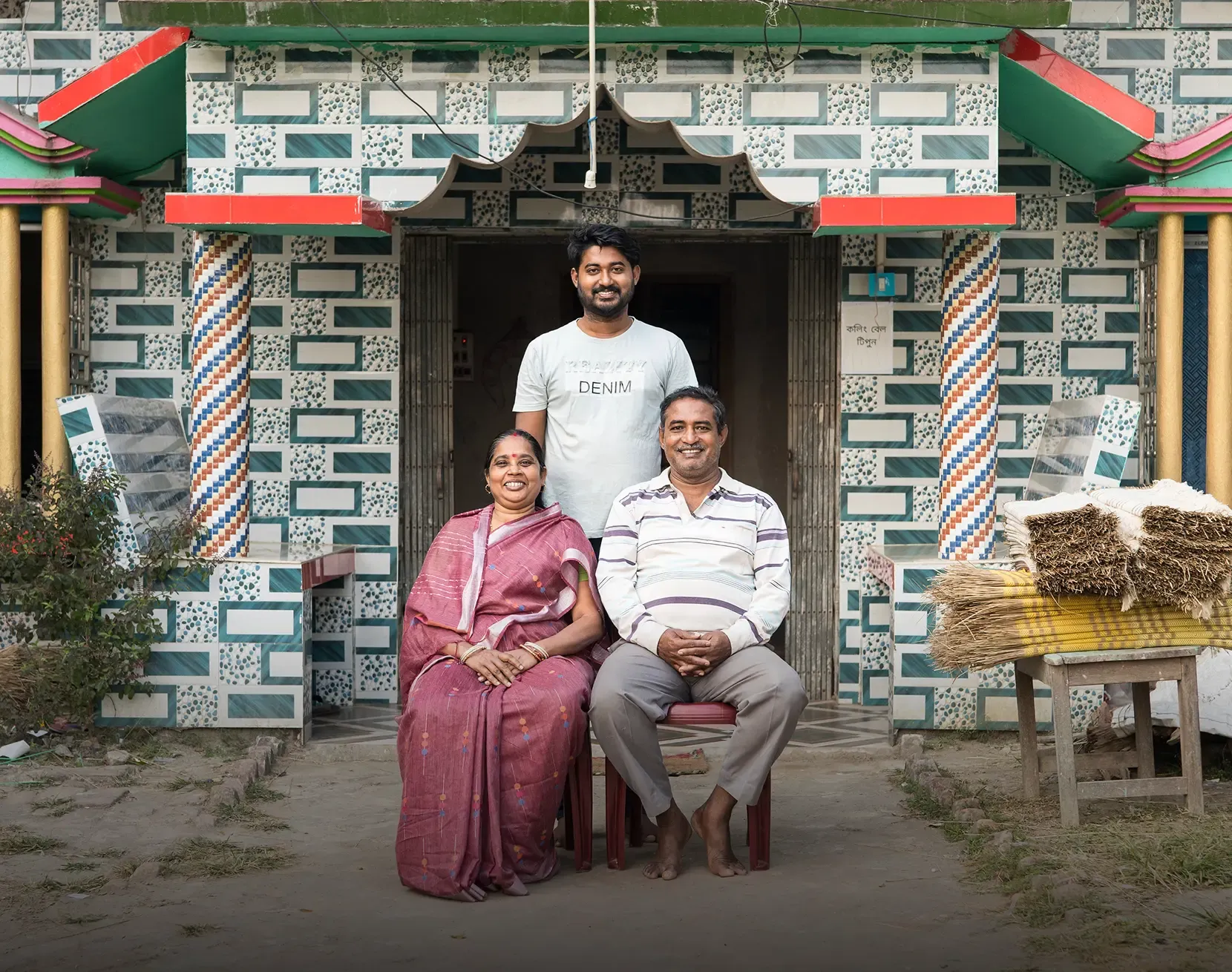
A family of three — a woman in a pink saree, a seated man in a striped shirt, and a young man standing behind them — smiling in front of a vibrantly decorated home with colorful tile-patterned walls.

Soumyadip and his family from West Bengal stand beside handwoven mats produced through their enterprise.

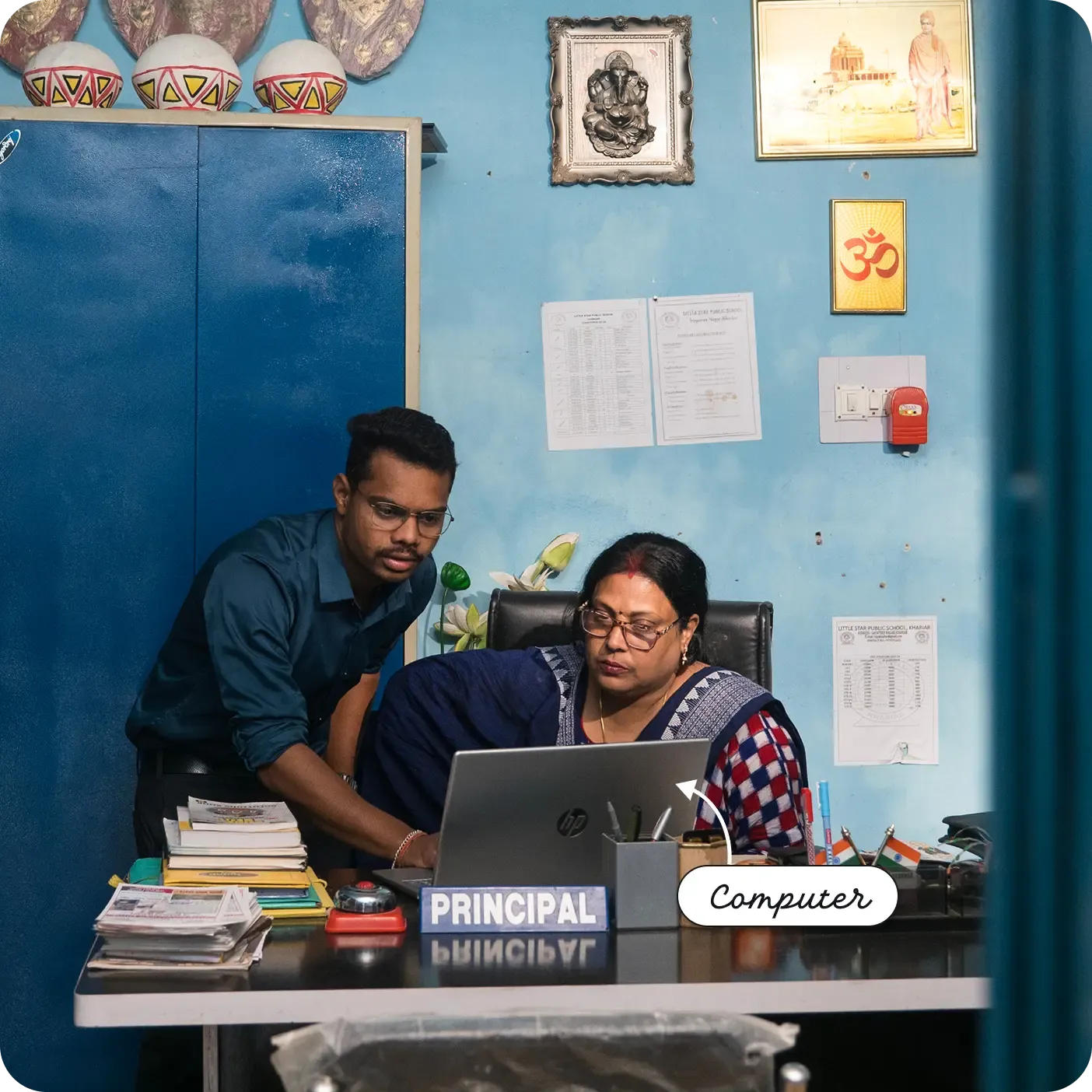
A man and a woman standing together in front of the entrance gate of Little Star Public School in Khariar, a government-recognised CBSE English medium school, with trees visible in the background.

Gopal and Sudikshita stand outside the school they built and manage together in Odisha.

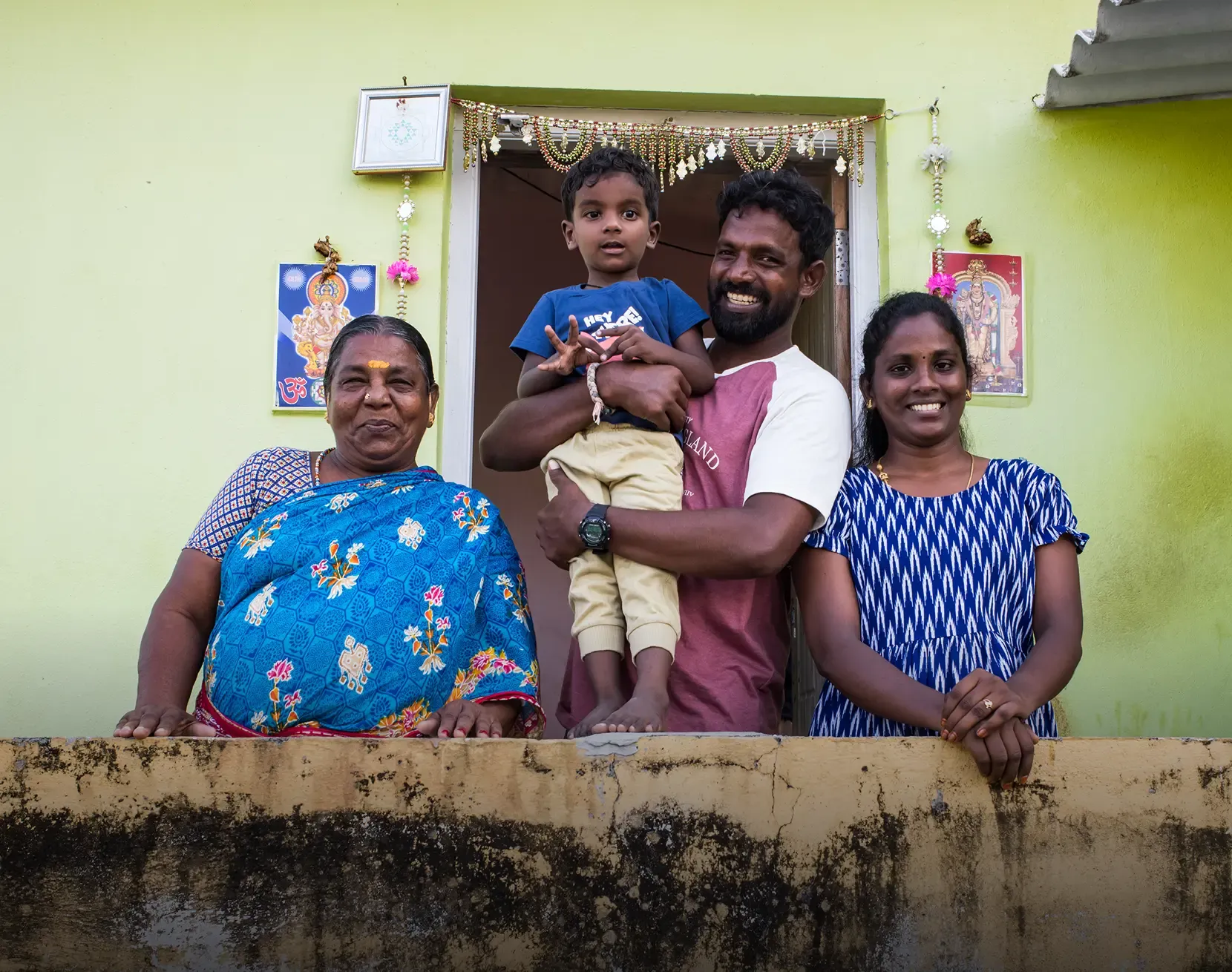
A smiling family of four — an older woman in a blue saree, a man holding a young boy—his son, and a younger woman—his wife, posing together on the porch of a light green home decorated with religious imagery and decorative garlands.

Palani and Kavi, and their family, stand together outside their home in Tamil Nadu.

Image Credits: EPIC World Foundation

This study builds on earlier research by EPIC World, which established the scale of this segment and highlighted the resilience and vibrancy of local economies. Now, EPIC World Foundation’s study delves deeper into the financial lives of these households and the systems they navigate.

We surveyed 5,220 households, conducted 31 in-depth interviews and held 8 focus group discussions across 135 districts of 12 states in India.

Districts surveyed
Districts not surveyed

Source: Data from EH360 survey, April 2026, EPIC World Foundation and 1Lattice analysis. District Shapefile was created by combining sub-district files from the Datameet community, which was originally extracted from Bharatmaps.

We found that financial inclusion for these households is an upward journey, in which they constantly navigate multiple dualities. They ultimately choose convenient, easy and simple options that they can trust and understand. Building and designing these products for them is essential to boost their growth and capture the financial opportunity that they represent.

To read more about the methodology, head to How We Did This Study at the end of this page.

The Web of Financial Products and Services

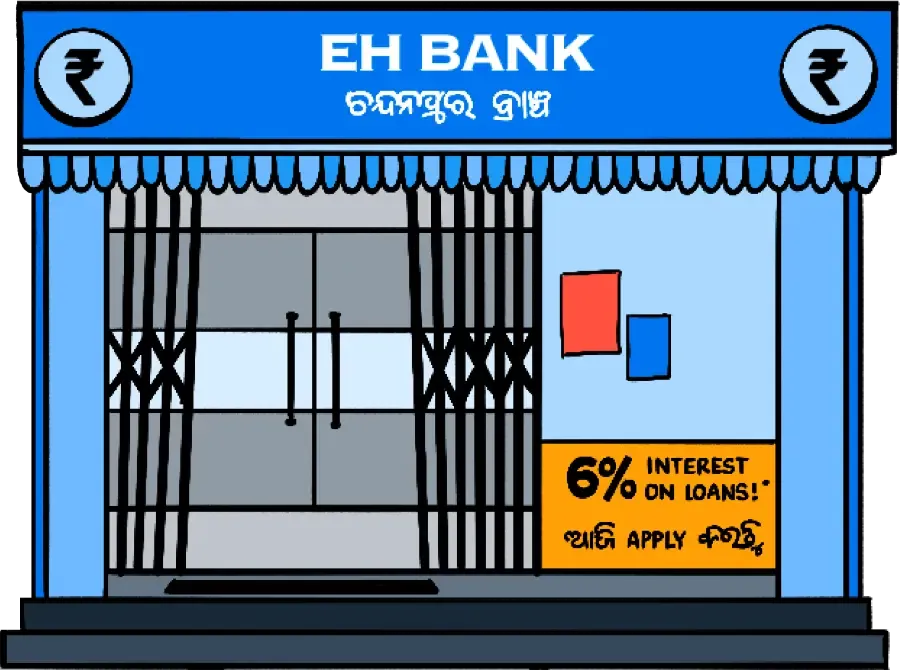
Illustration of a small local bank branch with a blue signboard reading “EH Bank” and additional text in a regional script. The entrance has closed glass doors secured by black metal grills. A sign on the wall advertises “6% interest on loans” with a prompt to apply, and currency symbols are displayed on both sides of the signboard.

Over the last two decades, India has transformed access to the financial system by opening hundreds of millions of bank accounts, building the world’s most successful instant payments system, and making smartphones a common household asset. 

In 2006, only about 32% of rural households had at least one member with a bank account. Today, account ownership is nearly universal. By any traditional measure, the access problem has been solved. But what comes after access determines how households move from basic transactions to using a wider range of services for different purposes—to save, borrow and manage risk.

This progression is what makes financial inclusion a journey and not a binary condition of being included or excluded. To understand what this journey looks like for Entrepreneurial Households, we collected data by categorizing financial services into four core categories—payments, savings, credit and insurance.

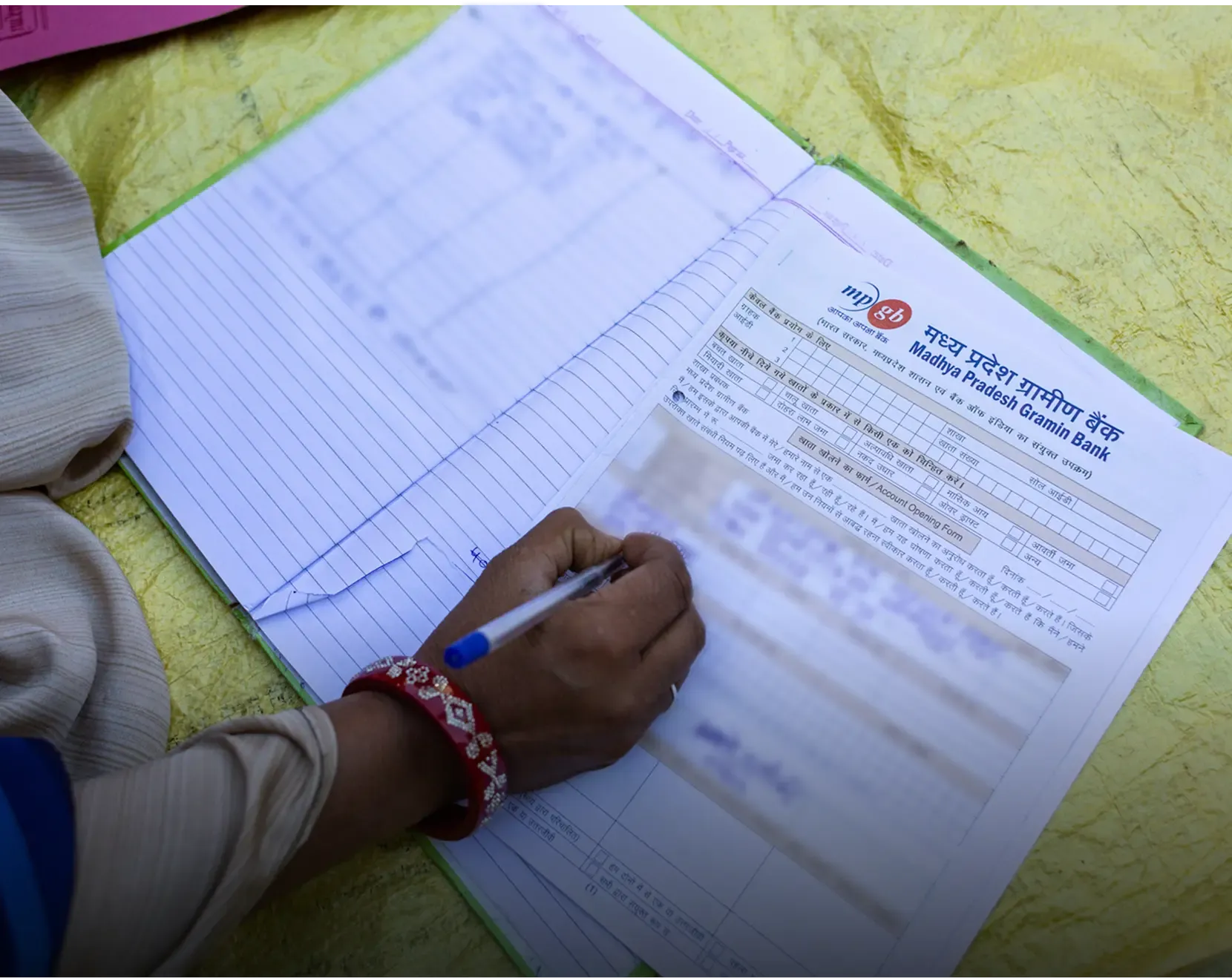
A woman's hand, adorned with red bangles, writing on a Madhya Pradesh Gramin Bank account opening form. A lined notebook is visible alongside the bank document on a yellow surface.

A member of a Self-Help Group in Madhya Pradesh fills in a bank account opening form.

Image Credits: EPIC World Foundation

The Financial Web

Bank Transactions91%Fixed Deposits84%UPI74%Bank ATMs71%Loans from Banks58%Loans from Family or Friends45%Life Insurance Savings42%Motor Insurance40%Post Office Savings31%Cash at Home31%Health Insurance26%Life Insurance Schemes (With Savings)22%Loans from MFIs22%Loans from Self-Help Groups22%Gold/Jewellery21%Self-Help Groups Savings19%Mobile Banking App19%Loans from Moneylenders16%Life Insurance Cover16%Loans from Cooperative Banks14%Savings with Family and Friends13%Cooperative Banks12%Internet Banking (Website)8%Crop/Cattle Insurance8%Invested in Own Business6%Credit Card4%Loans from Digital Lending Apps4%Chit Funds4%Company Deposits3%Loans from Chit Funds3%Business Insurance3%Pension2%Mutual Funds2%Trading Platform0.7%Equity Shares0.7%Percentage of households using financial products and services0102030405060708090100PaymentsSavingsCreditInsuranceThe Financial Web
Hover for details

Across India, a wide range of financial products and services come together to support Entrepreneurial Households.

All of the top 5 products and services are linked to banks. Households rely heavily on bank branches and ATMs for everyday transactions, while fixed deposits and bank loans serve their core savings and credit needs. UPI may be the dominant digital tool, but its reliance on bank accounts underscores the central role of formal institutions.

However, strong engagement with banks has not replaced informal systems. Households continue to depend on family and friends, self-help groups (SHGs) and local moneylenders for credit, primarily because these channels offer speed, flexibility, and familiarity that formal systems do not.

While digital access has expanded rapidly, usage remains concentrated in UPI. Fewer than one in four households use other digital services such as mobile apps or internet banking.

Similarly, financial products beyond the basics remain limited in adoption. Only life insurance (which also acts as savings) is widely used. Other insurance products see lower uptake.

Investment products such as mutual funds and equities remain largely out of reach, with minimal adoption among Entrepreneurial Households.

This reveals a wider picture of financial inclusion. While access to basic financial services has largely been achieved, deeper and more diversified usage has not.

The Entrepreneurial Spectrum

The financial lives of these households are not uniform and span a wide spectrum. Some have limited assets and income sources and others have more established and diversified livelihoods. To illustrate the differences between households within this spectrum, we have categorized them into groups based on asset ownership.

As households move along this Entrepreneurial Household spectrum, their financial behavior evolves. They begin to use a wider range of products, diversify their savings, rely more on formal credit, and build stronger financial resilience. This engagement with the financial system deepens not just in scale, but in how they use different products.

Entrepreneurial Households exist on a spectrum

Distribution of surveyed households by their EH Score, an index based on asset ownership.

Segment of EH
Bottom 25%
Middle 50%
Top 25%
← Lower EH Spectrum Higher EH Spectrum →
Respondents Entrepreneurial Household Score*00.20.40.81

Source: Data from EH360 survey, April 2026, EPIC World Foundation and 1Lattice analysis | Note: Sample size = 5,220. Bin size: 0.02.
*The EH Score is an asset-based index that measures a household's relative economic positioning. Weights are assigned based on asset rarity within the sample, and the score is normalized to a 0–1 range. See the methodology section for more details.

As households move up the spectrum, they start adopting more payment channels. UPI usage surges between bottom 25% and top 25% households. While everyone uses ATMs and bank branches, more households in the top 25% use mobile and internet banking. This multi-channel approach reflects the growing complexity of financial transactions that households handle as they move up the ladder.

The Adoption Journey

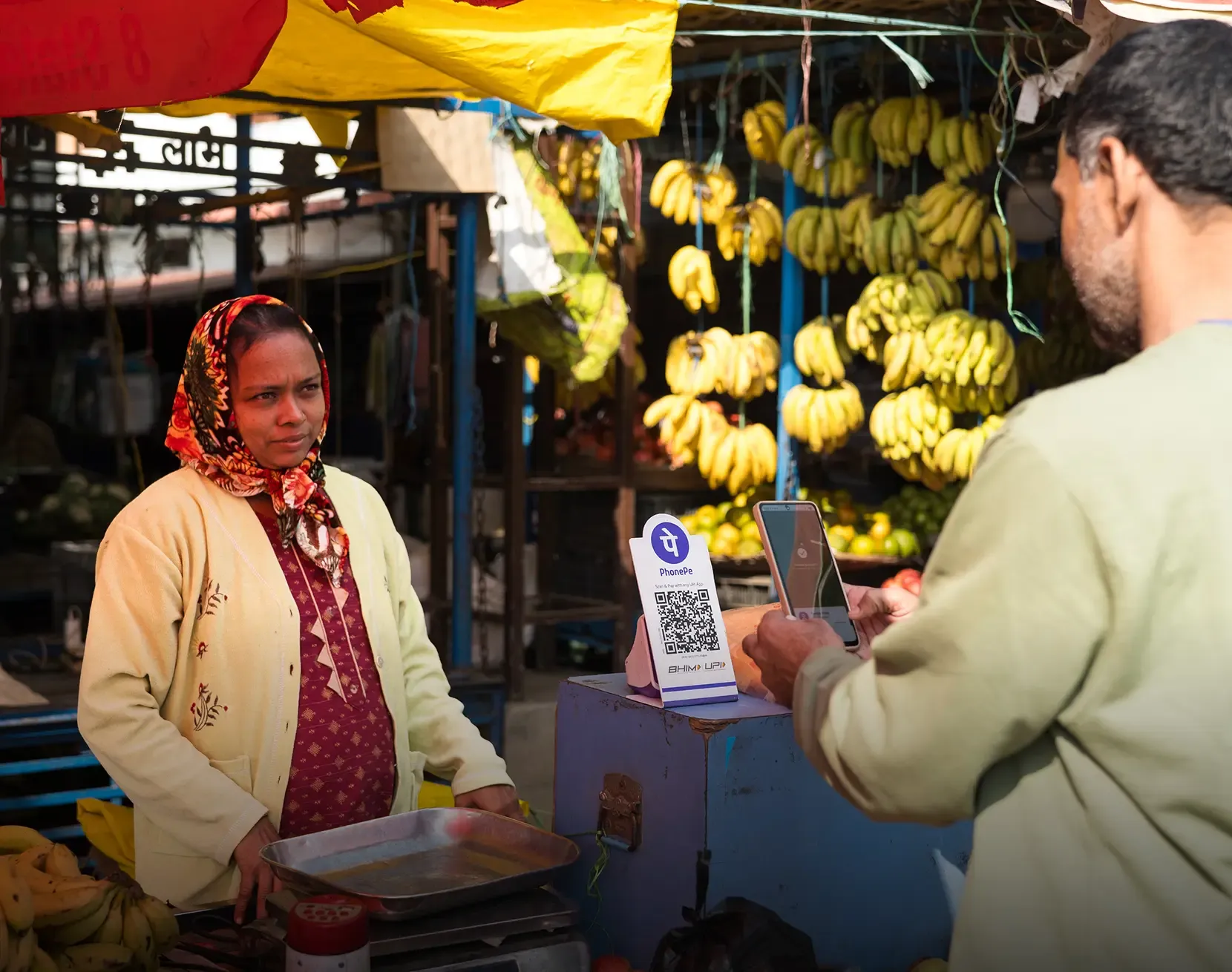
A female vendor at an outdoor fruit market stall watches as a male customer scans a PhonePe BHIM UPI QR code with his smartphone to make a digital payment. Bunches of bananas hang in the background.

A man scans the QR code of a fruit vendor to make a UPI Transaction.

Image Credits: EPIC World Foundation

Adoption is not one decision, but a chain of choices made when a need arises. At each step, friction shapes the outcome. Products that are hard to find, understand, or use are often left behind. Products that feel relevant, workable, and trustworthy are more likely to become part of everyday financial life. The journey below breaks that process into its critical moments.

The Path from Availability to Adoption

Factors in the adoption of financial products among Entrepreneurial Households

These factors do not always happen in sequence. Entrepreneurial Households may enter at different points, move back and forth, or experience only some of the steps.

Trigger

A need arises

Availability

The product is present in the household’s environment, whether through physical, digital, or human touchpoints.

Awareness

The household knows that the product exists and recognizes it as a possible option.

Understanding

The household understands what the product does, how it works, and what it requires from them.

Fit

The household sees the product as suited to the need or goal at hand.

Feasibility

The product feels workable in practice, in terms of cost, eligibility, effort, and process.

Trust & Safety

The household feels confident that the product, provider, and channel are reliable and safe enough to try.

Usage

The household decides to try the product, and that first experience shapes whether use continues or falls away.

Adoption

The product becomes integrated into everyday financial behavior over time.

Adoption drives advocacy, becoming a source of awareness and trust for new users.

Let's explore some scenarios to know what this journey looks like in real life.

Choose a scenario to see how decisions unfold

Living Between Worlds

Throughout their financial journeys, Entrepreneurial Households are pulled between competing forces. They negotiate these dualities by carving a unique third path that caters to their specific needs. This ability to find balance is fundamental to how they grow and build resilience.

Click on a card to read about a duality

Our Recommendations

Entrepreneurial Households are carving out distinct financial identities. Driven by aspirations for a better future, they balance growth, safety, control, and dignity as they navigate complex realities. Rigid, one-size-fits-all solutions fall short in catering to their financial needs. What works are offerings that are intuitive, flexible, and aligned with how they already manage their finances.

But how can service providers design better financial products for them? Based on the findings of our study, we offer the following recommendations. Let's go back to the EH street we started with.

Let's go back to the Entrepreneurial Households street we started with.

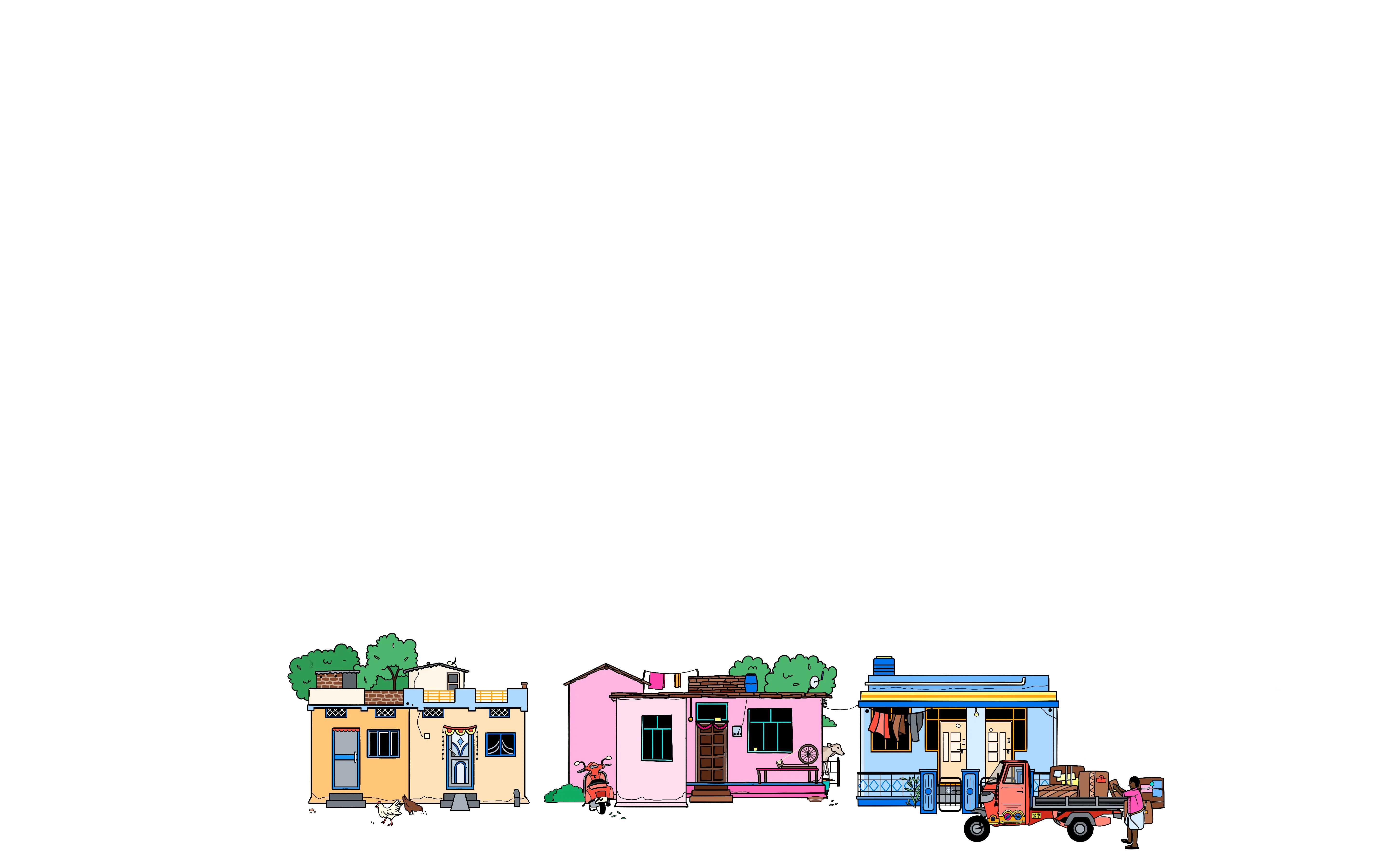
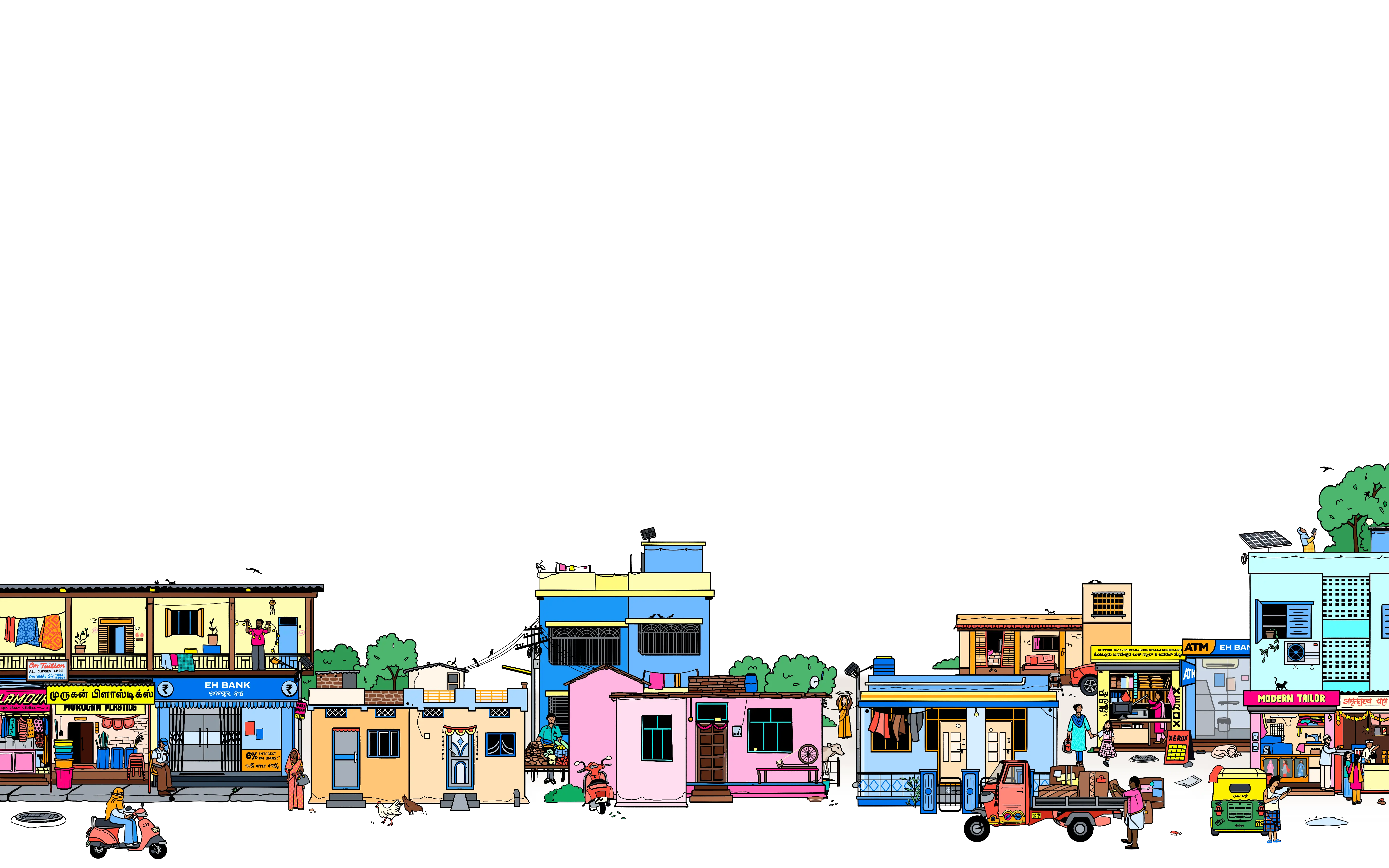
Entrepreneurial household street scene Three entrepreneurial households

Challenge

"I help women in my village open bank accounts, apply for insurance and access loans."

— Sheela, Bank Sakhi, Madhya Pradesh

As a Bank Sakhi, Sheela works closely with the households in her village, helping them open bank accounts, apply for insurance and access loans. Local influencers like her play a critical role in building trust and shaping households’ financial decisions.

Opportunity

1

Strengthen the local support layer

Provide human support at key decision points beyond onboarding. Trust is built through familiar, credible intermediaries, local agents and community influencers who help explain products, reduce uncertainty, and support ongoing usage, especially for formal and digital services. The most effective services are the ones where someone shows up, treats users with dignity, and helps them navigate the system.

Challenge

"Bank loans have a lot of formalities. In SHG, loans can be accessed very easily without much formalities and at low interest."

— Hemlata, Entrepreneur, Himachal Pradesh

Loans from her Self-Help Group have helped Hemlata build multiple income streams. Formal credit often involves extensive paperwork, repeated visits, and unclear requirements. Informal systems like SHGs and local lenders are embedded in trusted relationships, making them simpler, more responsive, and easier to rely on.

Opportunity

2

Simplify and reduce friction

Reduce procedural complexity and create financial products that overcome language and literacy barriers to make them easier to access while maintaining transparency and trust. For cash-based households, alternative proof models such as UPI histories or transaction records can help bridge data gaps and lower entry barriers.

Challenge

"Earlier, our source of income was limited to farming. That was not enough. After coming to Koppal, our business is going very well."

— Leelavathi, Shop Owner

Along with her shop, Leelavathi also runs a packaged food business. With multiple sources of income, households like Leelavathi and Kotresh’s manage a complex web of formal and informal transactions, across locations and sectors.

Opportunity

3

Assess transaction value, not just income. The household, not just the individual.

Most financial products evaluate financial capacity through individual income—a single number often drawn from formal sources alone. But for households like Leelavathi's, earnings flow through shops, side businesses, and informal networks, most of it invisible to traditional assessments. Transaction value offers a more accurate lens: the velocity of money moving through a household over time, counting informal alongside formal, and evaluating the household as a unit rather than a single borrower in isolation.

Households are willing to engage with formal financial systems, but are often let down by products that don't fit how they live and earn. The challenges listed below reflect structural mismatches between product design and household reality. Each recommendation points to a specific shift that can make formal financial products more usable, more trusted, and more likely to be adopted.

A small single-storey house with a front door, windows, and a water tank on the side.
4

Design products for households' needs and capabilities

Challenge

Many households earn through seasonal or fluctuating income streams, particularly in agriculture and small businesses. Fixed repayment schedules, such as monthly EMIs, often create stress during low-income periods. This mismatch can discourage uptake or lead to irregular usage despite willingness to repay.

Opportunity

Financial products should be designed around how households actually earn, not how institutions prefer to collect. Flexible repayment structures that are seasonal, cyclical, or income-linked can improve both usability and repayment behavior. This makes products feel supportive rather than restrictive.

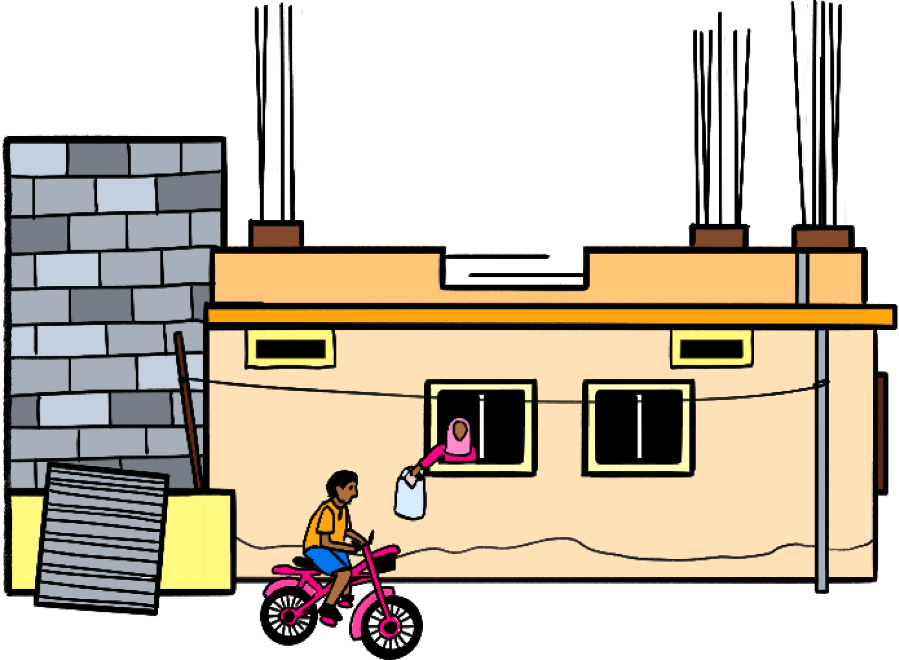
A house under construction with exposed rebar pillars on the roof, building materials stacked outside, a woman handing a bag through a window, and a child riding a bicycle past the front.
5

Align products with households’ progression

Challenge

As household enterprises grow, their financial needs evolve beyond standard loan sizes and structures, and so does their ambition. Formal systems often fail to keep pace with this growth, creating gaps in funding. Households then rely on multiple sources, including informal ones, to meet their needs.

Opportunity

Products should be designed to scale alongside the user’s journey and meet their growing aspirations. This could include step-up credit limits, modular products, or pathways that reward demonstrated stability. Supporting growth over time reduces the need for fragmented financial solutions.

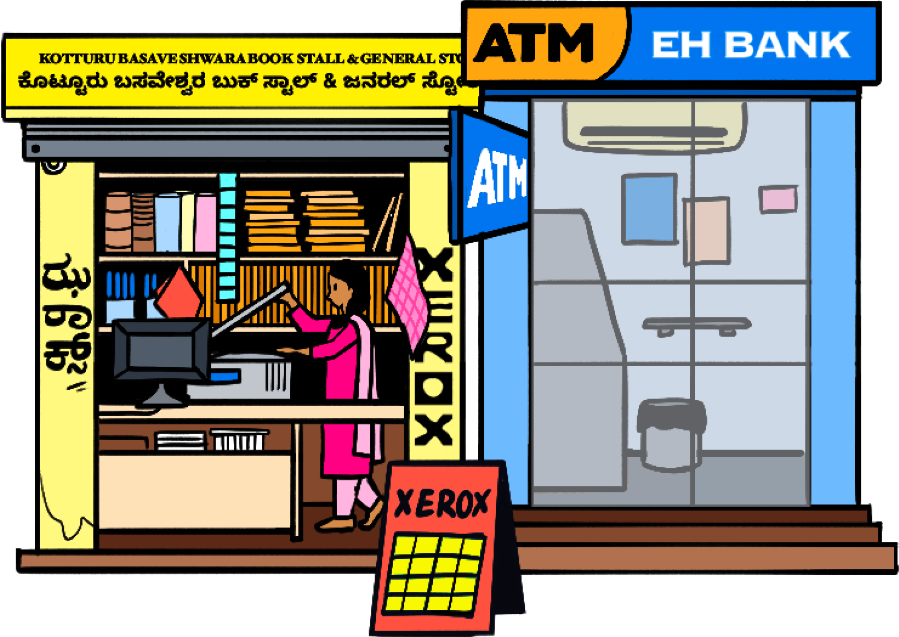
A book stall and general store with a woman working at a computer inside, a Xerox sign board out front, next to a bank ATM booth.
6

Combine digital convenience with human support systems

Challenge

Digital payments are widely adopted for convenience, especially for daily transactions. However, trust remains limited when it comes to larger or more critical transactions due to fears of failure, fraud, or lack of support. This creates a gap between usage and confidence.

Opportunity

Digital products should be backed by credible human support systems. Integrating local agents, help points, or assisted service layers can build confidence without sacrificing convenience. Trust in digital systems grows when users know that they can reach out to someone if something goes wrong.

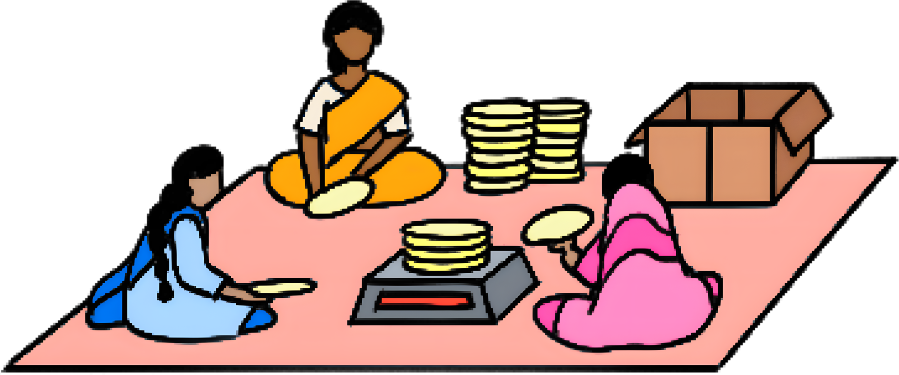
Three women sitting on the ground making papads, with stacks of finished papads and a cooking stove between them.
7

Use more agile systems that actively incorporate informal flows

Challenge

Many Entrepreneurial Households operate on cash-based or semi-formal income streams. These are often not captured in traditional financial records like bank statements or tax filings. As a result, otherwise viable households remain excluded from formal assessments.

Opportunity

Product design should incorporate non-traditional proof models to assess eligibility and risk. UPI transactions, ledger records, or cash flow patterns can provide a more accurate picture. This allows formal systems to better include and serve these households.

A woman with her face covered by a dupatta riding a scooter.
8

Build for speed and safety

Challenge

Households associate formal financial institutions with safety and legitimacy, especially for large or long-term needs. However, when urgency arises, these systems often feel too slow or unpredictable. As a result, households turn to informal sources for faster access, even if they would prefer formal options.

Opportunity

Financial products need to combine the credibility of formal institutions with the responsiveness of informal ones. This can include pre-approved limits, instant disbursals, or emergency credit layers built into existing products. The goal is to ensure households don’t have to trade off trust for speed.

A mother holding her daughter's hand and carrying a school backpack, walking together.
9

Design for women's financial agency

Challenge

Women play a central role in managing daily finances and savings within households. However, major financial decisions like borrowing and investing are often shared or male-led, especially when products are complex. This reflects gaps in confidence, access, or targeted support.

Opportunity

Products should actively enable independent understanding and participation. This can include women-focused onboarding journeys, assisted learning environments, financial literacy support, or community-led models.

India’s 250 million Entrepreneurial Households are not waiting to be discovered. They are actively engaging with the financial system, demonstrating ambition and resilience.

This study shows that the gap is not one of willingness, but of fit. These are customers with complex needs, strong financial behaviors, and real purchasing power, yet they remain underserved by products not designed for their realities.

The next phase of financial inclusion will not be driven by access alone, but by usage. We need a usage revolution. The question is no longer whether these households are ready, but whether the system is ready to serve them.

To learn more about EHs, explore other sections of this site

Chart Gallery

Interactive visualisations to go beyond the EH360 study and examine underlying patterns and potential.

Explore
Chart gallery preview

Video Hub

Understand the lives of the Entrepreneurial Households by tuning into their lived experiences.

Explore
Video hub preview

How We Did This Study

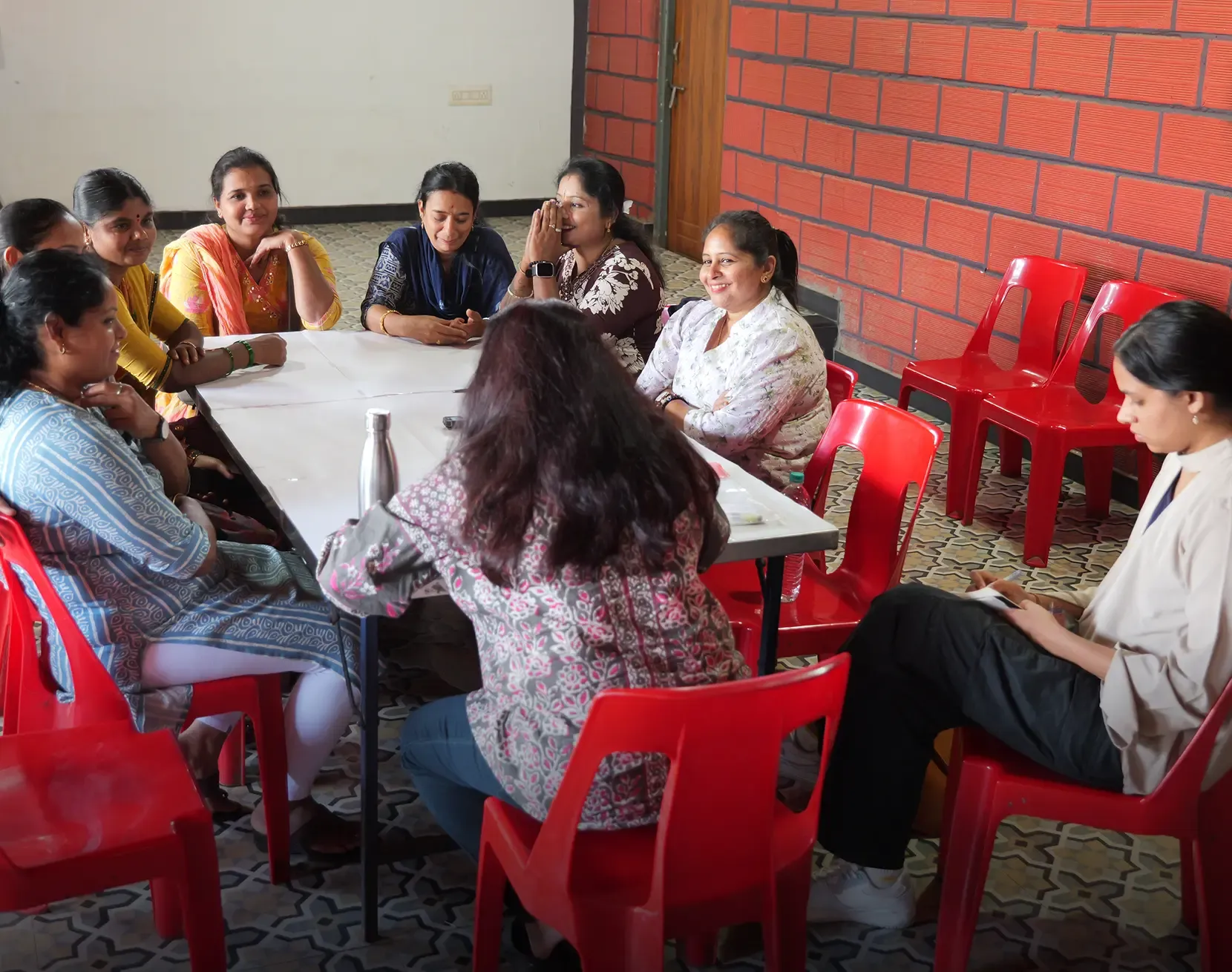
A group of approximately nine women seated around a rectangular table in a room with red brick walls and red plastic chairs, engaged in a group discussion.

A Focus Group Discussion conducted for this study

Image Credits: EPIC World Foundation

This study followed a mixed-methods research methodology, combining a large-scale survey with in-depth qualitative interviews and focus group discussions. Entrepreneurial Households have been identified using a multi-dimensional framework. They typically have diversified income sources, multiple earning members and linkages to the informal economy.

The quantitative survey, conducted between August and December 2025, covered 18 states and 135 districts, representing 91% of India’s population.

5,220 households surveyed
31 in-depth interviews
8 focus group discussions

Majority of respondents had more than four family members in their household

Demographic split by number of family members in the household

>4 members4 members3 members2 members

52% of all respondents were female, ensuring a near-equal split

Demographic split by gender

FemaleMale

Respondents were spread across all four regions of India

Demographic split by region in India

NorthWestSouthEast

Source: Data from EH360 survey, April 2026, EPIC World Foundation and 1Lattice analysis

The districts were selected using a five-indicator socio-economic index, calculated with metrics on private schools, Micro Small and Medium Enterprises (MSME), consumption expenditure, health insurance premium, and proportion of irrigated versus cultivated area. Each district was evaluated against national medians, and those meeting at least three thresholds were prioritized. Population-adjusted data on bank branch and ATM density were used to assess financial inclusion context of the districts.

To guide site selection, we drew on EPIC Intelligence, EPIC World’s proprietary location intelligence platform. Core Transaction Value, a foundational metric within the platform that speaks to economic vibrancy and aspiration, helped identify regions where transaction activity suggested a concentration of Entrepreneurial Households. Spatial and temporal insights on financial institution and SHG presence from EPIC Intelligence was subsequently integrated during analysis to better contextualize the responses received.

The quantitative assessment was a two-survey instrument design. It included a short questionnaire capturing core financial behavior data, intra-household dynamics, gender roles, trust and perceptions of past financial interventions and a longer survey for a subset of the sample to estimate Core Transaction Value (CTV). Both the questionnaires were translated into regional languages and had built-in validations.

The face-to-face qualitative interviews and focus group discussions delved into lived experiences, behavioral drivers and contextual factors shaping financial decisions. Field teams were rigorously evaluated before selection, carefully trained, and had strong female representation. They were recruited by leveraging existing networks and prior relationships and local influencers facilitated introductions to establish credibility.

Before the full rollout, a pilot study of 100 respondents was conducted to test the questionnaire and the process, which shaped the final survey. Real-time monitoring of data enabled early identification of anomalies and a robust, multi-layered quality assurance framework helped safeguard data integrity. Each submission included geo-tagged photographs, partial audio recordings for audit purposes, IP address capture, and recorded informed consent. 

Ethical safeguards were embedded throughout the research process. All data was anonymized prior to analysis and prior informed consent obtained from all respondents. Participation was voluntary with respondents retaining the right to skip questions or withdraw at any stage.

*Calculation of EH score

The study uses an asset-based index to measure Entrepreneurial Households’ relative economic positioning. Weights were assigned to each asset based on how rare it was within the sample. An asset that was owned by fewer households received higher weights and those owned by a higher number of households received lower weights. The respondent’s score was then calculated by adding the weights of all the assets they owned and normalizing for the maximum possible score of 14.23. The resulting index ranges from 0 to 1 and enables standardized comparison across households.

Share this story

A sincere thank you to all the Entrepreneurial Households who took part in the interviews and surveys and shared their experiences with us. We truly appreciate your time, insight, and dedication. We are inspired by your ambition.


Data storytelling, design, and development by Revisual Labs

Swathi Singh, Divya Ribeiro, Shreya Raman, Aman Bhargava, Rashi Shah, Brenda Kiptim, Tulika Patel, Ipshita Raj, Schubert de Abreu, Aabha Joshi, Rohini Vasudevan, Gurman Bhatia

Research and data collection by 1Lattice Technologies Private Limited

Ashish Dhir, Ambuj Gupta, Sumeesha Dhawan

Videography and storytelling by Storyental Media

Direction: Shawn Sebastian; Cinematography: Blesson Biju, Lizzy Geble; Editing: Adarsh Aji, Basim A Rahman; Original Score: Ashish Zachariah; Sound Design: Abhishek Cherian; Color Grading: Athul

Photography by Joe Paul Cyriac and Vinod Sebastian

Expert advisory and research support by EPIC World

Akanksha Sharma, Karthik Subramanian (KK), Kartik Parija, Kartikey Sahu, Pratiksha Raman, Ruchi Ramann, Shanina Mercedia van Gent, Supriya Joshi, Vijay Sridharan, Vipul Rawal

This initiative was funded by Visa Foundation, through a fiscal sponsorship with Realize Impact. Visa Foundation’s support made this work possible, and we are deeply grateful for their commitment to advancing Entrepreneurial Households.